Agentic AI


Agentic AI: Guides, Use Cases, Frameworks & Trends | AIML Insights


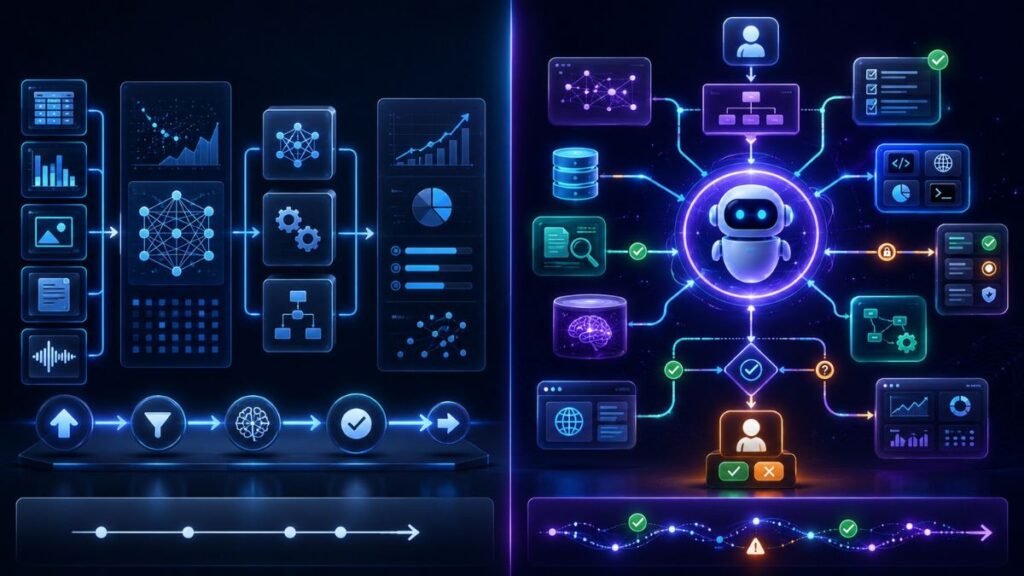
Agentic AI is quickly becoming one of the most important topics in modern AI because it moves beyond simple prompting into planning, memory, tool use, orchestration, and action. In this category, AIML Insights covers practical guides on agentic AI architecture, single-agent and multi-agent systems, evaluation, observability, governance, security, frameworks, and real-world business use cases. Whether you are a beginner, developer, researcher, or decision-maker, these articles will help you understand how agentic systems work and where they fit in real production workflows.

Explore practical guides on agentic AI, including AI agents, orchestration, memory, planning, tool use, observability, evaluation, governance, frameworks, and real-world business use cases. This category covers how agentic systems work, where they create value, and what teams need to know before deploying them in production.

Stay informed. Stay ahead.


Real-World Agentic AI Use Cases in Business

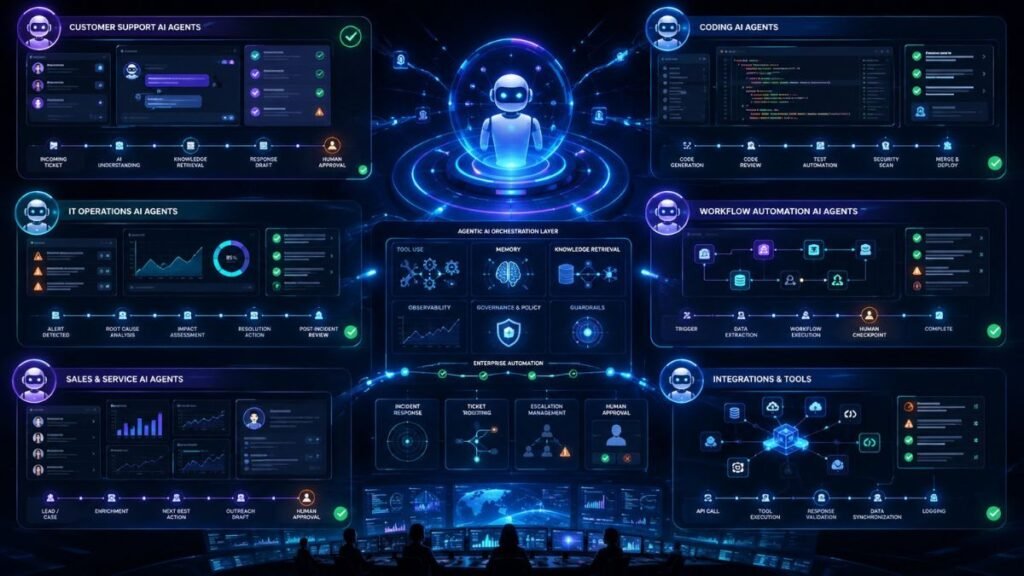
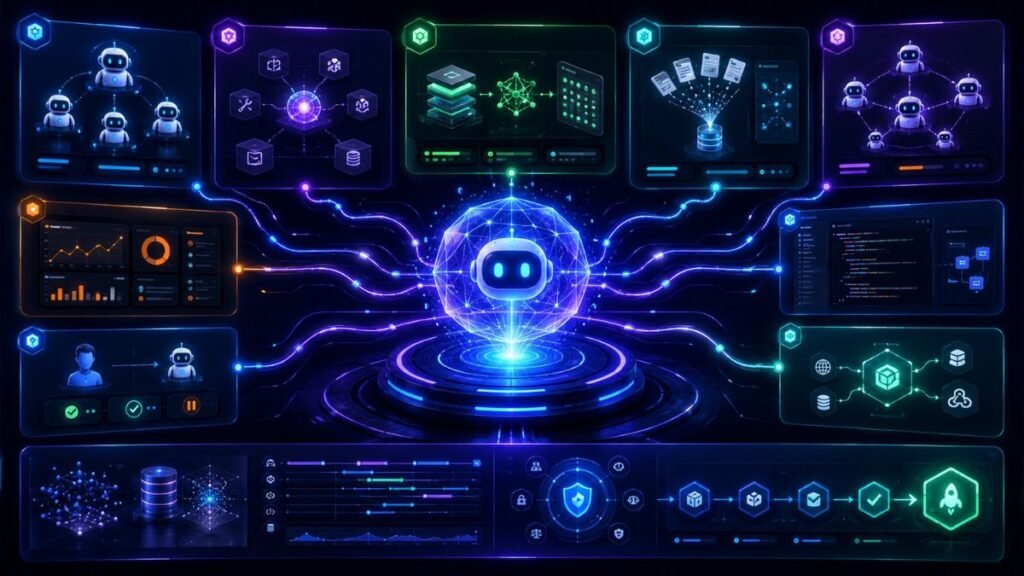
real-world agentic AI use cases: Agentic AI use cases dashboard showing customer support agents, coding agents, operations agents, tools, tickets, APIs, alerts, and human approval

Real-World Agentic AI Use Cases in Customer Support, Coding, and Operations Real-world agentic AI use cases are strongest where work has clear goals, repeatable steps, tool access, and measurable outcomes. Customer support, coding, and operations are three practical areas because agents can classify requests, retrieve context, use tools, draft actions, escalate risks, and help teams

Real-World Agentic AI Use Cases in Business Read More »

Agentic AI Maturity Models Explained: Levels, Capabilities, Governance, and Adoption

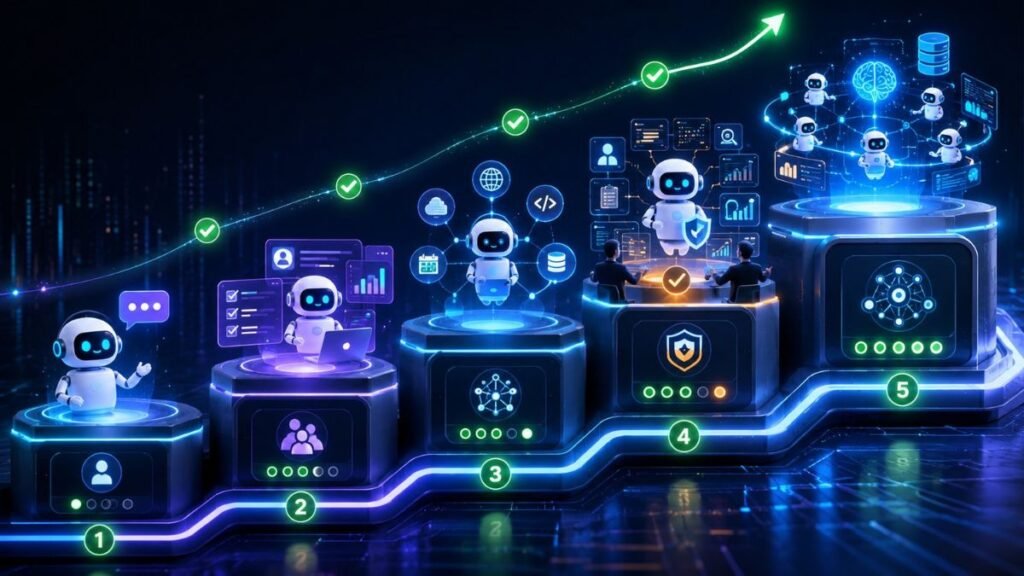
Agentic AI Maturity Models: Agentic AI maturity model roadmap showing stages from AI assistants to tool-using agents, multi-agent workflows, autonomous agents, governance, and monitoring

Agentic AI Maturity Models Explained Agentic AI maturity models help teams understand how far they have progressed from simple AI assistants to governed, tool-using, production-ready agents. A practical maturity model should measure autonomy, tool access, workflow integration, evaluation, observability, security, human oversight, and business impact, not just model capability. In Simple Terms An agentic AI

Agentic AI Maturity Models Explained: Levels, Capabilities, Governance, and Adoption Read More »

How to Choose the Right Agentic AI Framework: A Practical Developer Guide

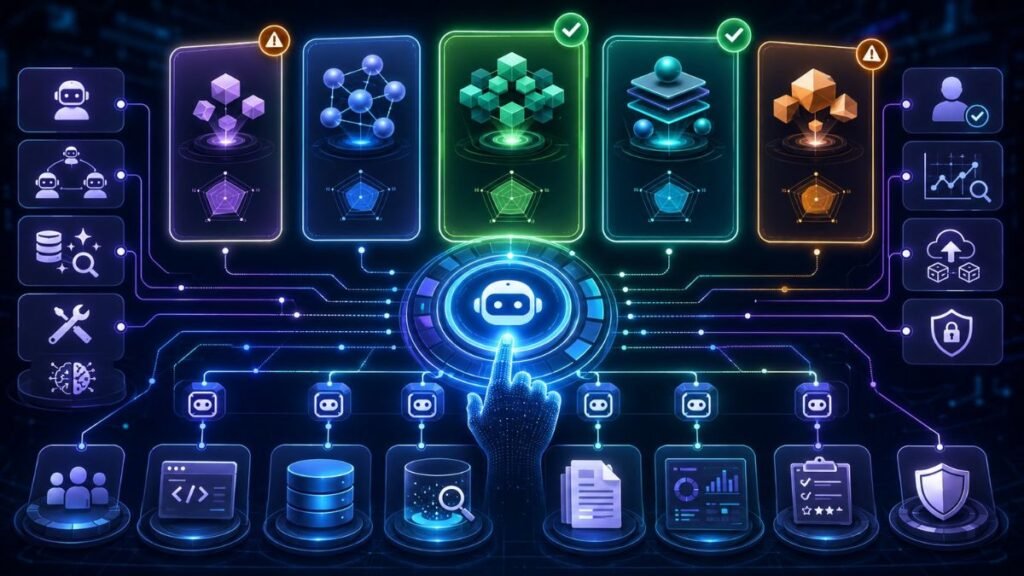
How to Choose the Right Agentic AI Framework: Agentic AI framework selection dashboard showing agents, tools, memory, RAG, orchestration, observability, security, and deployment criteria

How to Choose the Right Agentic AI Framework How to choose the right agentic AI framework depends on what your agent must do: follow a fixed workflow, use tools, retrieve documents, remember context, coordinate multiple agents, pause for human approval, or run in production. The best framework is the one that matches your workflow complexity,

How to Choose the Right Agentic AI Framework: A Practical Developer Guide Read More »

Best Agentic AI Frameworks for Developers in 2026

Best Agentic AI Frameworks: Agentic AI frameworks comparison dashboard showing AI agents, tools, memory, RAG, multi-agent orchestration, observability, evaluation, and deployment workflows

Best Agentic AI Frameworks for Developers: Tools for Building AI Agents in 2026 The best agentic AI frameworks in 2026 help developers build AI agents that can plan, use tools, remember context, retrieve data, collaborate, and run safely in production. Top choices include LangGraph, OpenAI Agents SDK, Google ADK, Microsoft Agent Framework, CrewAI, LlamaIndex, Haystack,

Best Agentic AI Frameworks for Developers in 2026 Read More »

Agentic AI Security Risks Explained

Agentic AI Security Risks Explained: Agentic AI security dashboard showing prompt injection, tool misuse, data leakage, agent identity, access control, monitoring, and human approval

Agentic AI Security Risks You Should Understand Agentic AI security risks are different from ordinary chatbot risks because AI agents can use tools, access data, call APIs, remember context, browse websites, and take actions. The biggest risks include prompt injection, tool misuse, privilege abuse, data leakage, memory poisoning, unsafe autonomy, weak observability, and poor accountability.

Agentic AI Security Risks Explained Read More »

Agentic AI Governance: Risks and Controls

Agentic AI Governance : Agentic AI governance dashboard showing AI agent risks, controls, permissions, human approval, audit logs, monitoring, and accountability checks

Agentic AI Governance: Risks, Controls, and Accountability Agentic AI governance is the set of policies, controls, approvals, monitoring practices, and accountability rules used to manage AI agents safely. It matters because agentic AI systems can plan, use tools, access data, call APIs, update workflows, and take actions that may affect users, customers, systems, or business

Agentic AI Governance: Risks and Controls Read More »

Common Failure Modes in Agentic AI Systems

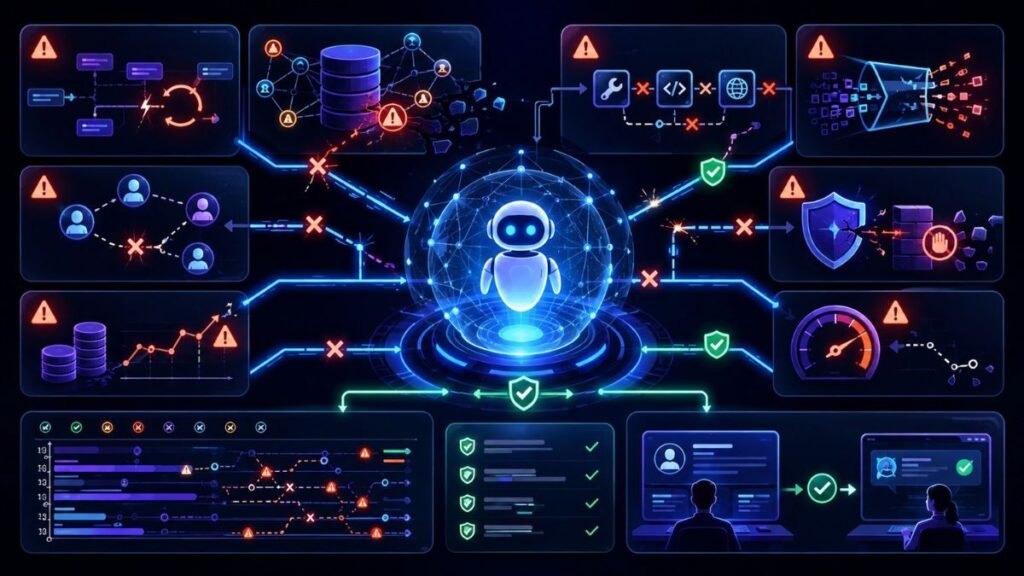
Common Failure Modes in Agentic AI Systems: Agentic AI failure modes dashboard showing planning errors, tool misuse, stale memory, bad retrieval, prompt injection, latency, and human review

Common Failure Modes in Agentic AI Systems: Planning, Tools, Memory, Security, and Production Risks  Common failure modes in agentic AI systems include misunderstood goals, poor planning, wrong tool calls, stale memory, bad retrieval, unsafe autonomy, prompt injection, multi-agent coordination errors, hidden cost growth, and weak observability. These failures matter because agentic AI systems do not

Common Failure Modes in Agentic AI Systems Read More »

Observability for Agentic AI: What to Track

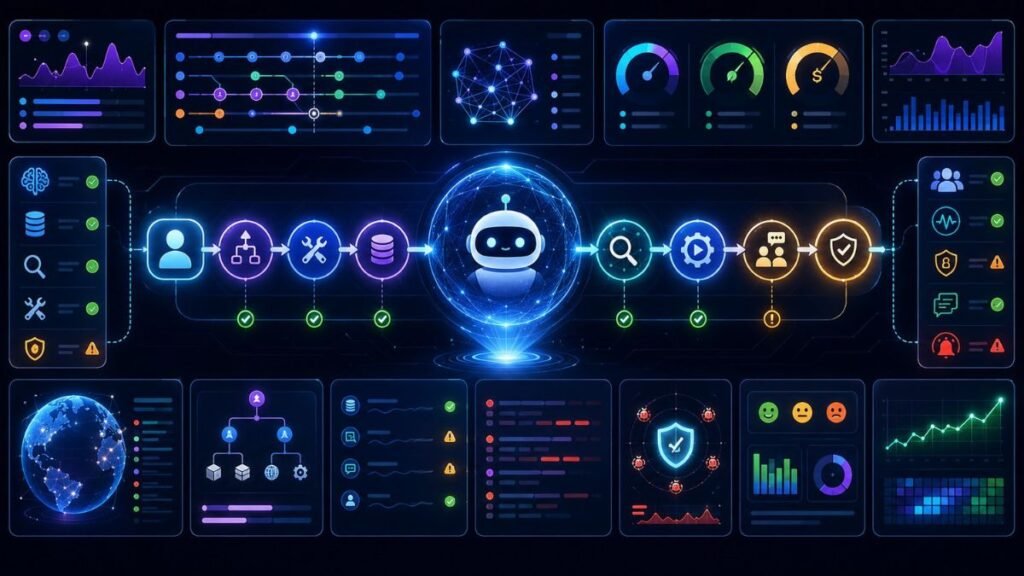
Observability for Agentic AI: Agentic AI observability dashboard showing traces, tool calls, memory events, retrieval, latency, cost, safety flags, and human review checkpoints

Observability for Agentic AI: What Teams Need to Track Observability for agentic AI means tracking how an AI agent thinks, acts, uses tools, retrieves information, handles errors, and completes tasks in production. Teams need more than logs. They need traces, tool-call records, memory events, latency, cost, safety signals, human review points, and outcome metrics. In

Observability for Agentic AI: What to Track Read More »

How to Evaluate Agentic AI Systems Before Production

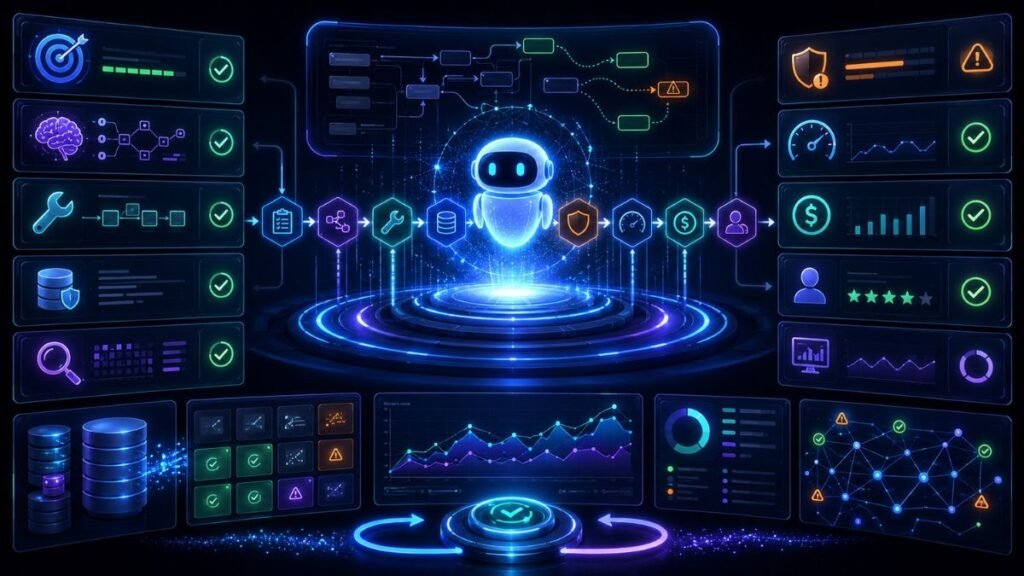
How to Evaluate Agentic AI Systems: Agentic AI evaluation dashboard showing task success, planning, tool use, memory, safety checks, human review, traces, and monitoring metrics

How to Evaluate Agentic AI Systems How to evaluate agentic AI systems: test whether the agent completes the right goal, follows a safe plan, uses tools correctly, remembers only useful context, avoids hallucinations, escalates when needed, and performs reliably in production. Agentic AI evaluation is not just answer scoring; it is workflow testing. In Simple

How to Evaluate Agentic AI Systems Before Production Read More »

Scroll to Top