Agentic AI


Agentic AI: Guides, Use Cases, Frameworks & Trends | AIML Insights


Agentic AI is quickly becoming one of the most important topics in modern AI because it moves beyond simple prompting into planning, memory, tool use, orchestration, and action. In this category, AIML Insights covers practical guides on agentic AI architecture, single-agent and multi-agent systems, evaluation, observability, governance, security, frameworks, and real-world business use cases. Whether you are a beginner, developer, researcher, or decision-maker, these articles will help you understand how agentic systems work and where they fit in real production workflows.

Explore practical guides on agentic AI, including AI agents, orchestration, memory, planning, tool use, observability, evaluation, governance, frameworks, and real-world business use cases. This category covers how agentic systems work, where they create value, and what teams need to know before deploying them in production.

Stay informed. Stay ahead.


No-Code vs Developer-First Agentic AI Platforms
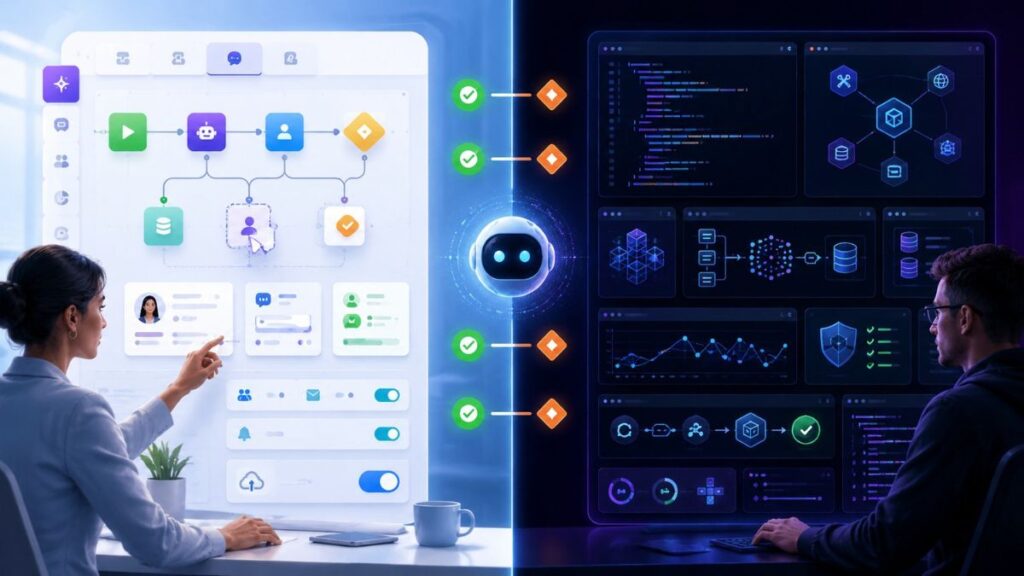
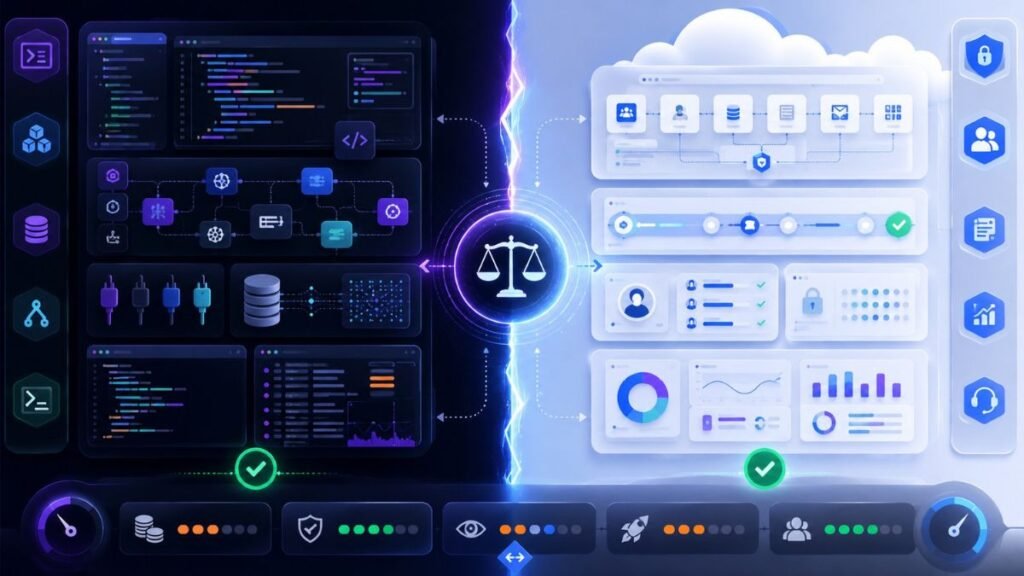
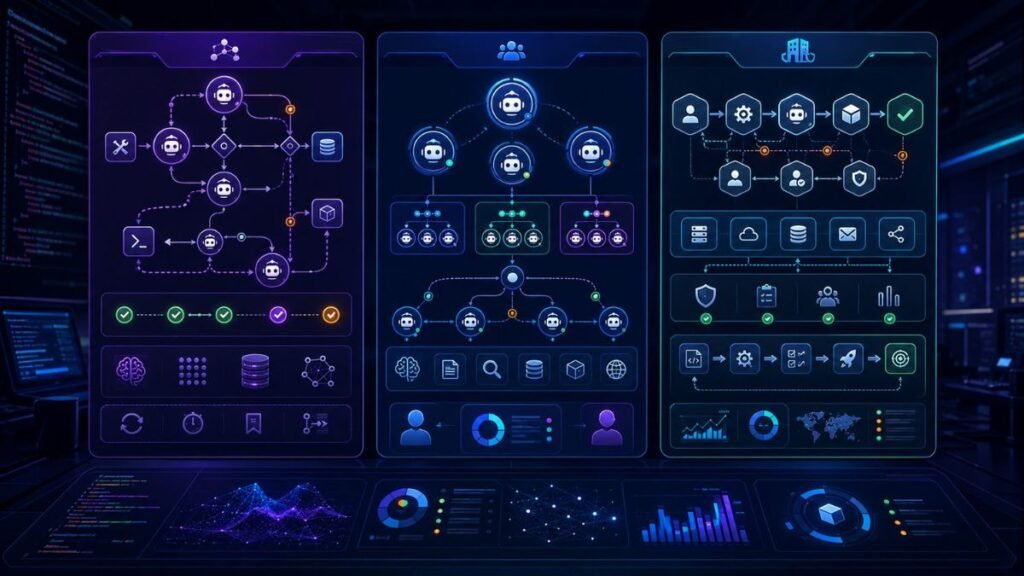
No-code vs developer-first agentic AI platforms comparison showing workflow builders, SDKs, tools, APIs, observability, security, and deployment trade-offs

No-Code vs Developer-First Agentic AI Platforms: Cost, Control, Security, Integrations, Workflow Automation, Observability, and Deployment Trade-Offs No-code vs developer-first agentic AI platforms is a choice between speed and control. No-code AI agent builders help business teams create agents faster with visual workflows and connectors. Developer-first platforms give engineers deeper control over tools, memory, APIs, orchestration, […]

No-Code vs Developer-First Agentic AI Platforms Read More »
How MCP Servers Improve Agentic AI Workflows

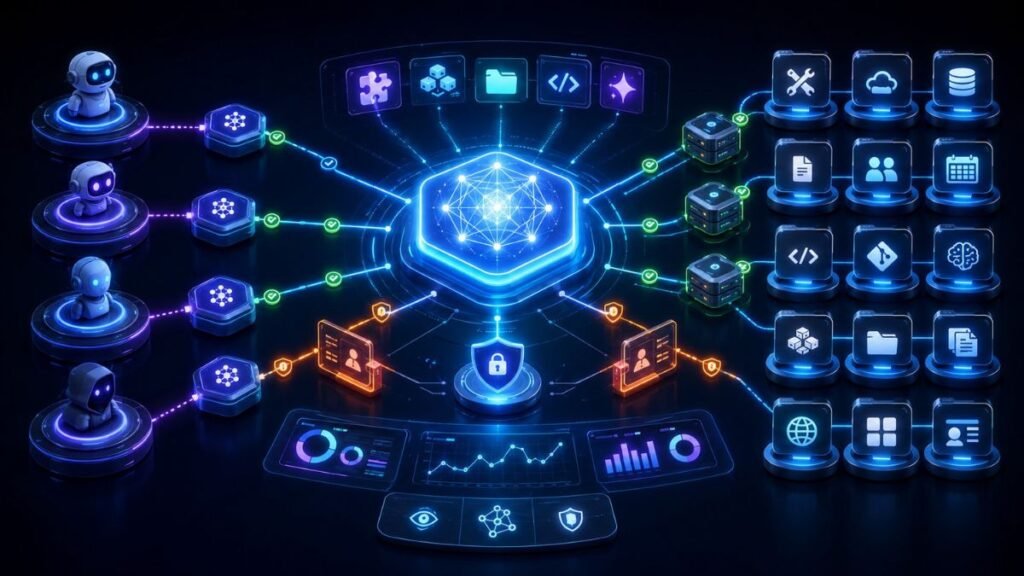
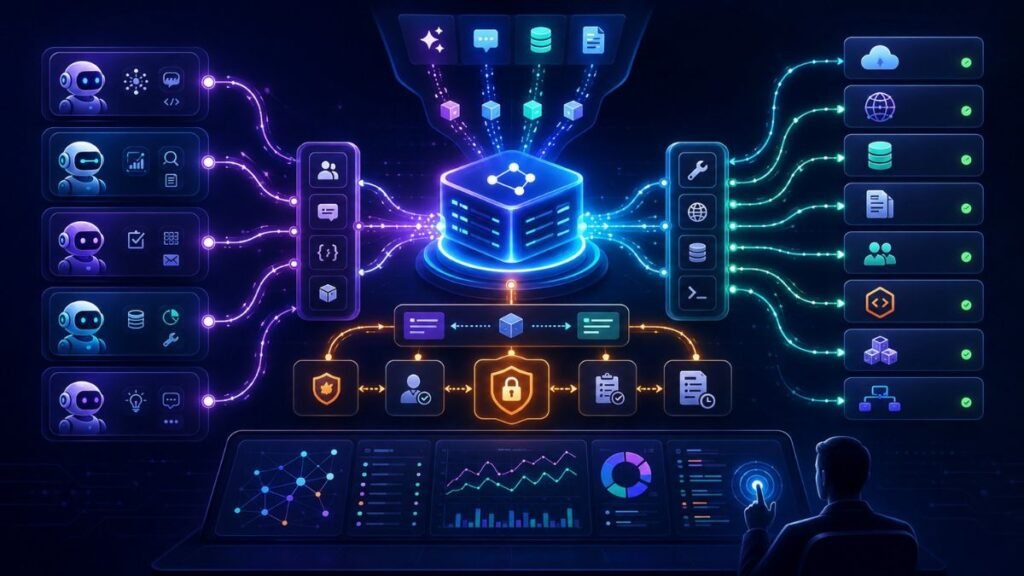
How MCP Servers Improve Agentic AI Workflows:MCP server connecting AI agents to tools, APIs, databases, documents, prompts, resources, observability, security controls, and enterprise workflows

How MCP Servers Improve Agentic AI Workflows: Tools, Data, APIs, Resources, Prompts, Security, Observability, and Enterprise Integration MCP servers improve agentic AI workflows by giving AI agents a standard way to connect with tools, APIs, files, databases, prompts, and external systems. Instead of building custom integrations for every agent, teams can expose reusable MCP servers

How MCP Servers Improve Agentic AI Workflows Read More »

open source vs managed platforms for agentic AI

open source vs managed platforms for agentic AI comparison showing developer control, cloud deployment, tools, observability, security, cost, and governance

Open Source vs Managed Platforms for Agentic AI: Cost, Control, Security, Deployment, Observability, Integrations, and Enterprise Trade-Offs Explained Open source vs managed platforms for agentic AI comes down to control versus convenience. Open source frameworks give developers flexibility, self-hosting, customization, and lower platform lock-in. Managed platforms offer faster deployment, built-in integrations, security features, monitoring, support,

open source vs managed platforms for agentic AI Read More »

Best Platforms for Building Agentic AI Applications in 2026

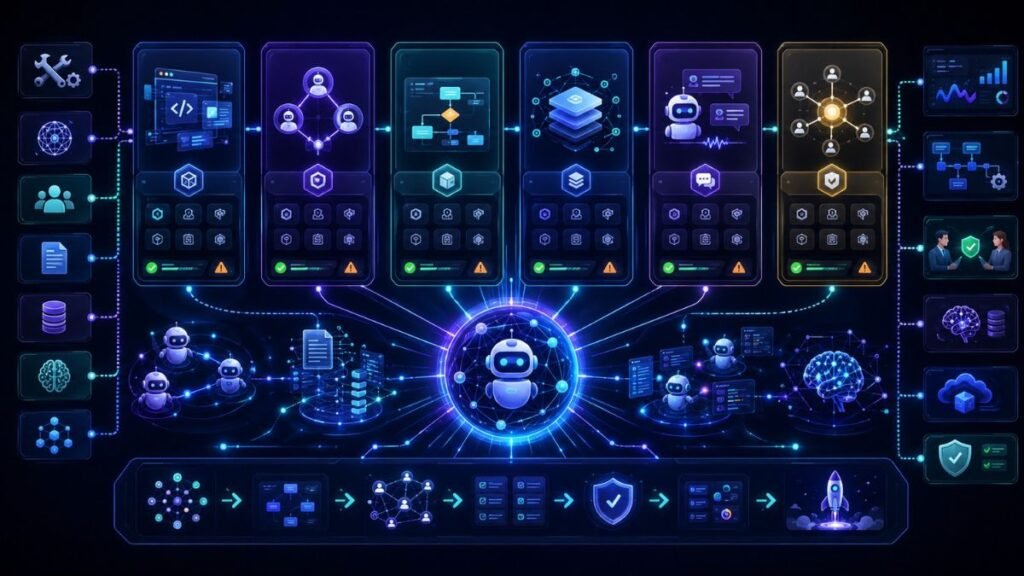
Best Platforms for Building Agentic AI Applications:Agentic AI platform comparison dashboard showing AI agent builders, tools, APIs, memory, RAG, workflows, observability, human approval, and deployment pipelines

Best Platforms for Building Agentic AI Applications in 2026: Developer SDKs, Low-Code Builders, Enterprise Agent Platforms, Orchestration, Integrations, and Deployment Compared The best platforms for building agentic AI applications in 2026 include OpenAI Agents SDK, Google ADK, Microsoft Copilot Studio, Salesforce Agentforce, Amazon Bedrock Agents, LangGraph Platform, CrewAI, Dify, Dust, Stack AI, and Voiceflow. The

Best Platforms for Building Agentic AI Applications in 2026 Read More »

How to Choose the Right Agentic AI Framework

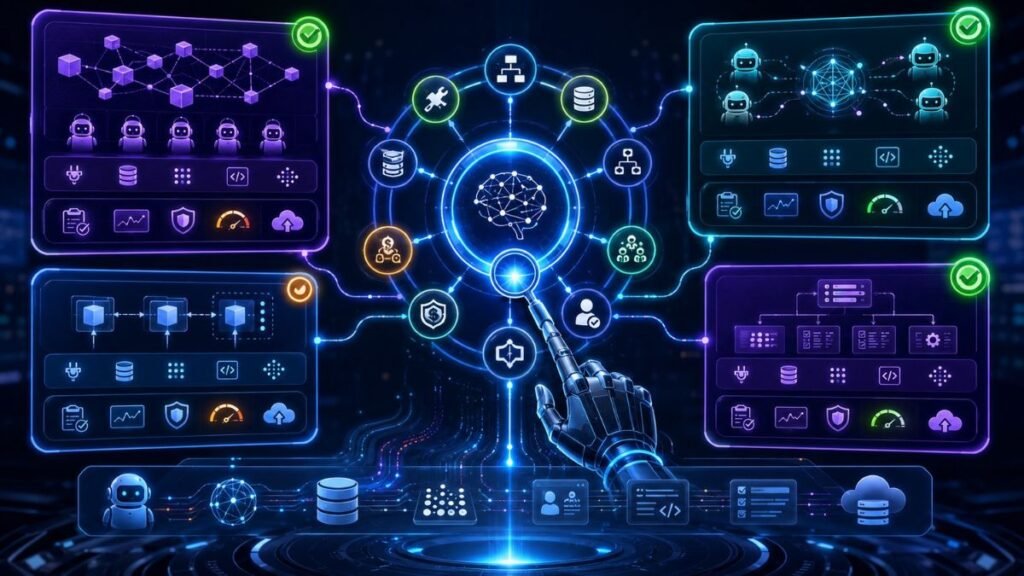
how to choose the right Agentic AI framework selection dashboard comparing tools, memory, RAG, orchestration, observability, security, cost, and deployment fit

How to Choose the Right Agentic AI Framework: Developer Buying Guide for Workflows, Tools, Memory, RAG, Multi-Agent Systems, Observability, Security, and Deployment To choose the right agentic AI framework, start with the workflow you need to build. Compare frameworks by tool calling, state management, memory, RAG support, multi-agent orchestration, human approval, observability, security, deployment path,

How to Choose the Right Agentic AI Framework Read More »

LangGraph vs CrewAI vs Microsoft Agent Framework

LangGraph vs CrewAI vs Microsoft Agent Framework for agentic AI orchestration, tools, state, multi-agent workflows, and enterprise deployment

LangGraph vs CrewAI vs Microsoft Agent Framework: Best Agentic AI Design Pattern for Developers, Production Workflows, Multi-Agent Systems, and Enterprise Apps LangGraph vs CrewAI vs Microsoft Agent Framework comes down to design pattern fit. LangGraph is strongest for explicit stateful orchestration. CrewAI is best for fast role-based crews and event-driven flows. Microsoft Agent Framework is

LangGraph vs CrewAI vs Microsoft Agent Framework Read More »

Best Agentic AI Frameworks for Developers in 2026

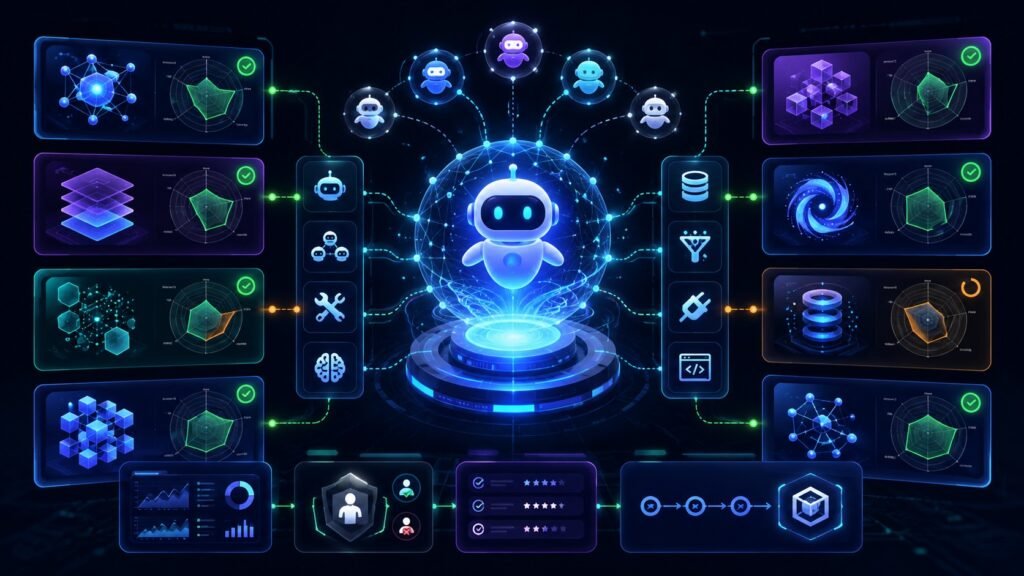
best Agentic AI frameworks comparison dashboard showing AI agents, tools, memory, RAG, multi-agent orchestration, observability, evaluation, and deployment pipelines

Best Agentic AI Frameworks for Developers in 2026: Comparison, Use Cases, Pricing Factors, Production Readiness, Multi-Agent Support, and Tooling Trade-Offs The best agentic AI frameworks for developers in 2026 are LangGraph, OpenAI Agents SDK, Google ADK, Microsoft Agent Framework, CrewAI, LlamaIndex, Haystack, Pydantic AI, Semantic Kernel, and OpenHands. The right choice depends on whether you

Best Agentic AI Frameworks for Developers in 2026 Read More »

How Agentic AI Handles Multi-Step Decision making

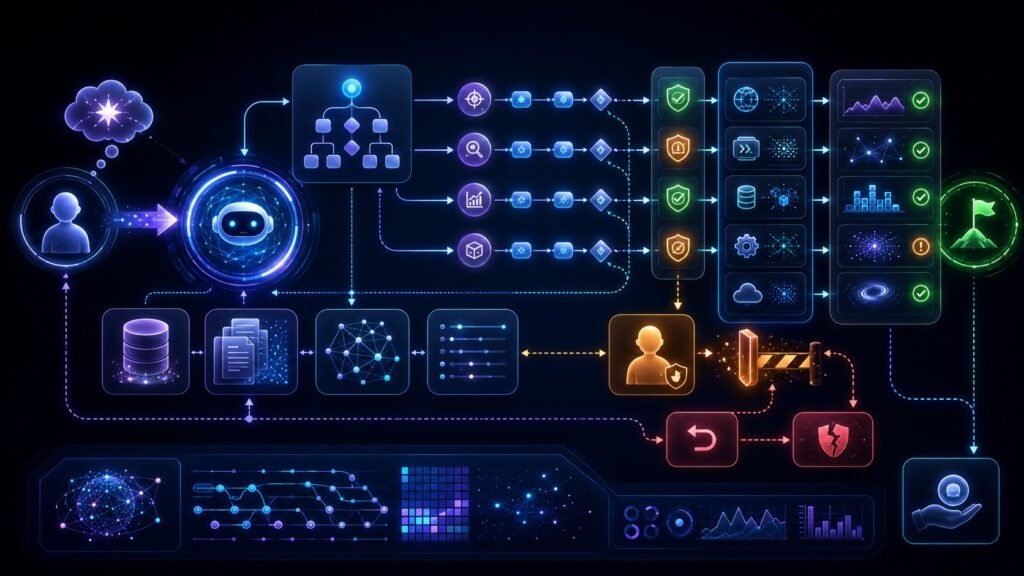
how Agentic AI handles multi-step decision making workflow showing goals, planning, tool use, memory, feedback loops, evaluation, observability, and human approval

How Agentic AI Handles Multi-Step Decision Making: Goals, Task Decomposition, Planning, Tool Use, Memory, Feedback Loops, Escalation, and Safe Execution Agentic AI handles multi-step decision making by turning a goal into smaller decisions, planning the next step, using tools, observing results, updating context, and deciding whether to continue, replan, escalate, or stop. Unlike a standard

How Agentic AI Handles Multi-Step Decision making Read More »

Harnesses in Long-Running AI Agents Explained

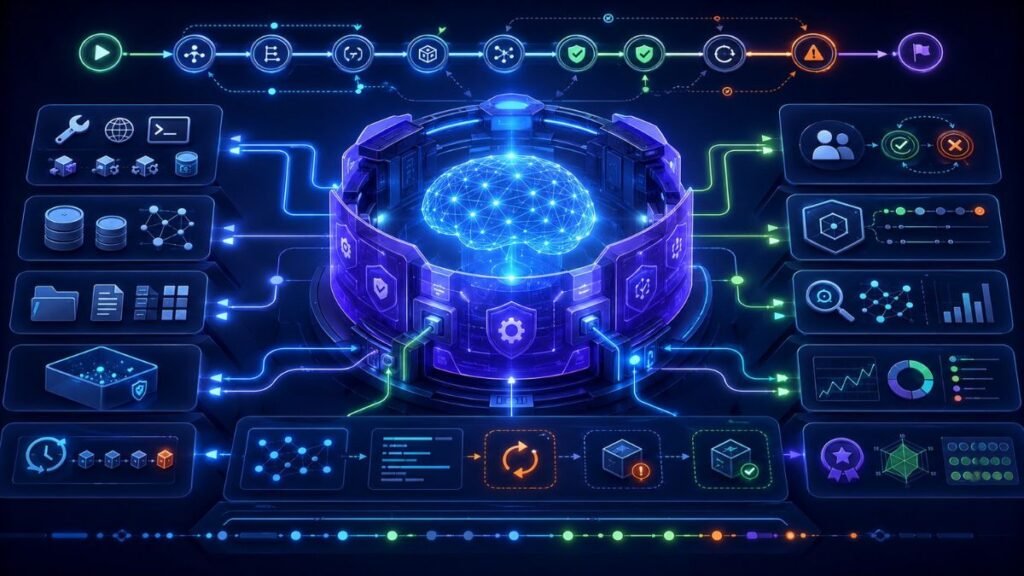
harnesses in long-running AI agents showing tools, memory, state checkpoints, context, observability, verification, guardrails, and human approval

The Role of Harnesses in Long-Running AI Agents: Tools, Memory, State, Context, Observability, Verification, and Safety Controls Harnesses in long-running AI agents are the execution layers around an AI model that help agents use tools, manage memory, preserve state, build context, recover from failures, verify outputs, and stay observable. A strong harness turns a capable

Harnesses in Long-Running AI Agents Explained Read More »

Scroll to Top