Agentic AI


Agentic AI: Guides, Use Cases, Frameworks & Trends | AIML Insights


Agentic AI is quickly becoming one of the most important topics in modern AI because it moves beyond simple prompting into planning, memory, tool use, orchestration, and action. In this category, AIML Insights covers practical guides on agentic AI architecture, single-agent and multi-agent systems, evaluation, observability, governance, security, frameworks, and real-world business use cases. Whether you are a beginner, developer, researcher, or decision-maker, these articles will help you understand how agentic systems work and where they fit in real production workflows.

Explore practical guides on agentic AI, including AI agents, orchestration, memory, planning, tool use, observability, evaluation, governance, frameworks, and real-world business use cases. This category covers how agentic systems work, where they create value, and what teams need to know before deploying them in production.

Stay informed. Stay ahead.


What Is Context Engineering in Agentic AI?

Context engineering in agentic AI workflow showing documents, memory, tool results, policies, constraints, and examples selected for an AI agent

Context engineering in agentic AI is the practice of selecting, organizing, filtering, and updating the information an AI agent needs to complete a task. It goes beyond writing a good prompt by managing memory, retrieved documents, tool results, user preferences, rules, examples, and constraints inside an agent workflow. In Simple Terms Context engineering means giving […]

What Is Context Engineering in Agentic AI? Read More »
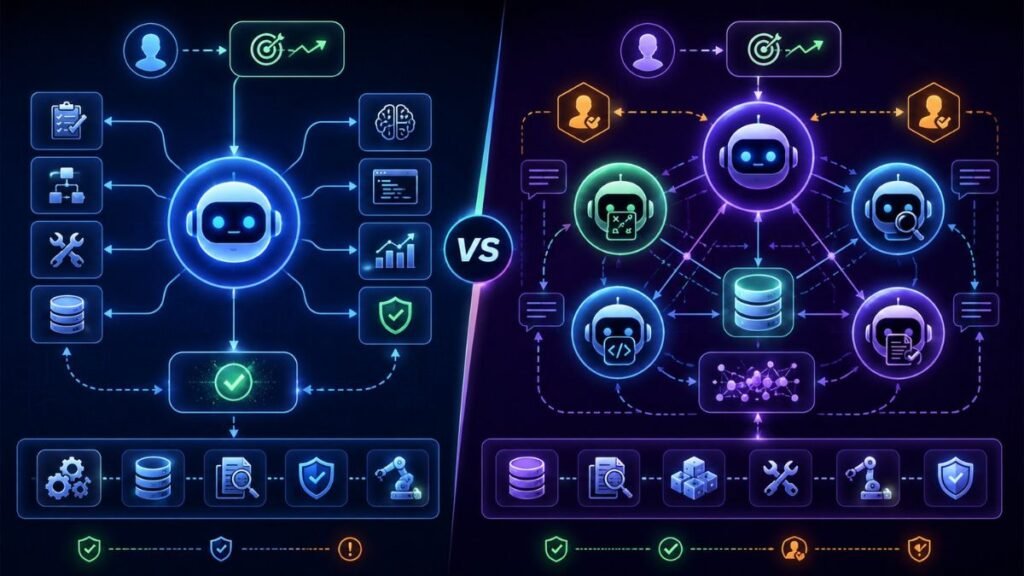
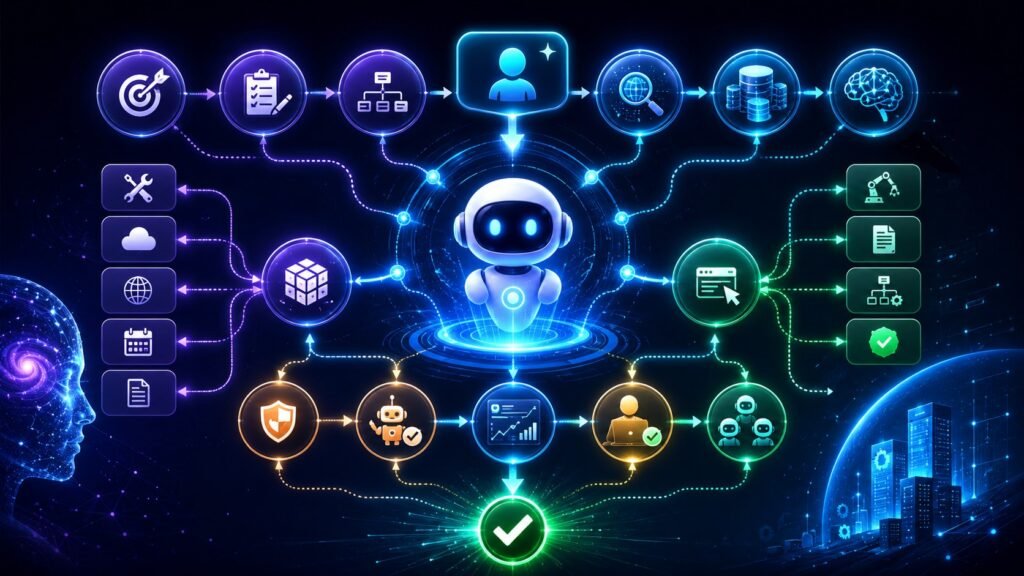
Agentic AI Architecture: Components, Workflow, Tools, Memory, and Safety

Agentic AI architecture: Agentic AI architecture diagram showing perception, planning, memory, tool use, action, feedback, evaluation, and human approval

Agentic AI architecture is the design of an AI system that can receive a goal, understand context, plan steps, use memory, call tools, take actions, check results, and escalate when needed. It is the structure that turns an AI model from a passive responder into a controlled task-completing system. In Simple Terms Think of agentic

Agentic AI Architecture: Components, Workflow, Tools, Memory, and Safety Read More »

Scroll to Top