LLM Red Teaming Basics Explained: Find Risks Before Users Do

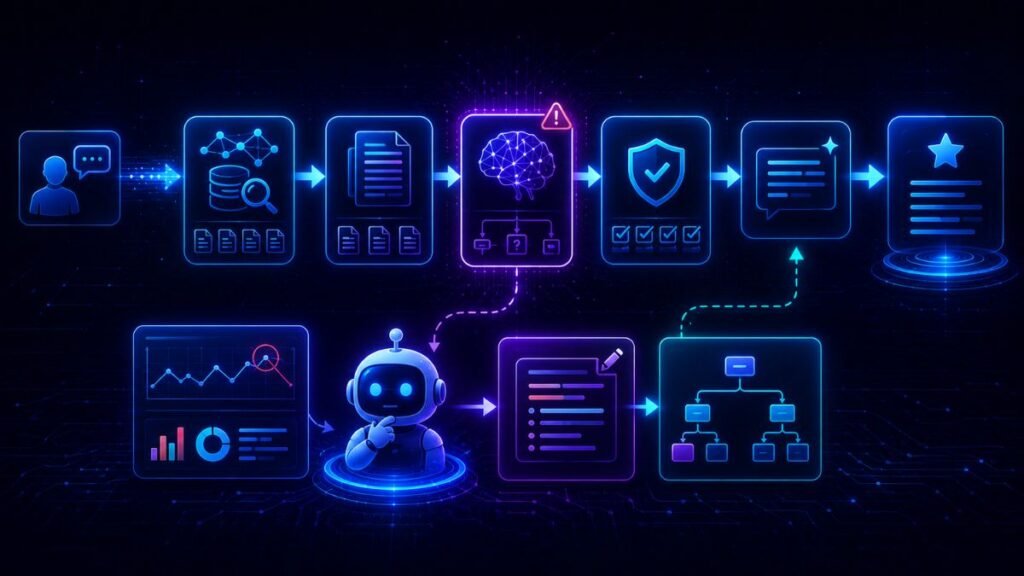
LLM red teaming visual showing AI risk testing, vulnerability detection, and safety checks before user deployment

LLM Red Teaming Basics: How to Stress-Test AI Systems in 2026 Large Language Models (LLMs) can power chatbots, copilots, internal search, coding tools, and enterprise automation. But before deploying AI to real users, teams need to ask an important question: What could go wrong? That is where LLM red teaming becomes essential. Red teaming helps […]

LLM Red Teaming Basics Explained: Find Risks Before Users Do Read More »

RAG for Chatbots: Improve AI Accuracy and Retrieval

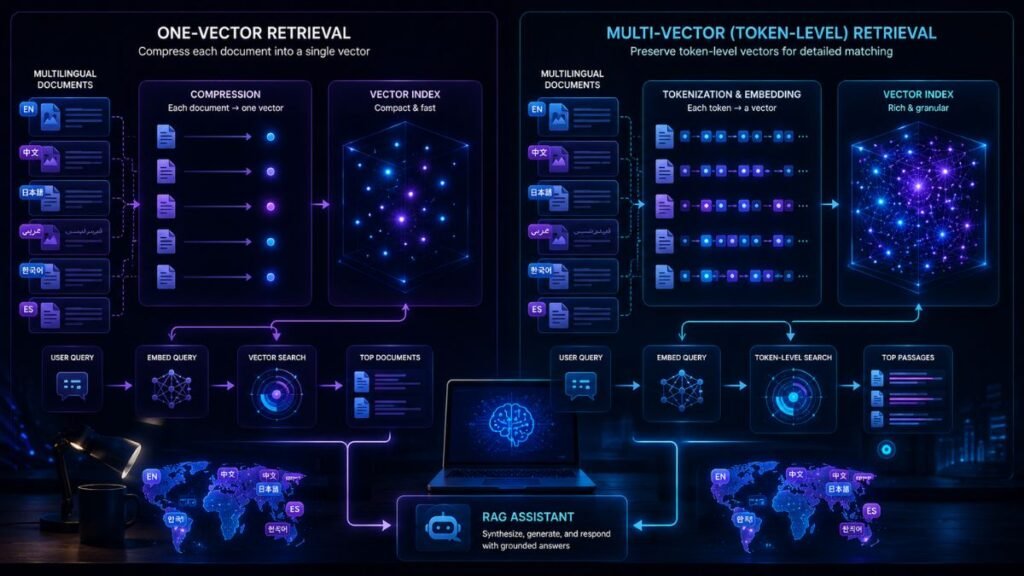
RAG for chatbots visual showing AI retrieval pipelines, semantic search, grounded responses, and enterprise chatbot workflows

RAG for Chatbots: How Retrieval-Augmented Generation Improves AI Assistants AI chatbots have evolved rapidly in recent years. Modern conversational AI systems can answer questions, summarize information, automate customer support, guide users through workflows, and even perform complex reasoning tasks. But despite these advances, traditional chatbots still face one major limitation: they often generate incorrect or

RAG for Chatbots: Improve AI Accuracy and Retrieval Read More »

Top RAG Use Cases: Real Enterprise AI Applications

RAG use cases visual showing enterprise AI retrieval systems, document search, customer support AI, and grounded intelligent assistants

Top RAG Use Cases Transforming Enterprise AI in 2026 Retrieval-Augmented Generation (RAG) has quickly become one of the most important architectures in modern AI systems. While Large Language Models (LLMs) are powerful, they still face serious limitations when used in real-world enterprise environments. They can hallucinate, provide outdated information, and struggle with private company knowledge

Top RAG Use Cases: Real Enterprise AI Applications Read More »

LLM Monitoring Guide: Track AI Performance Better

LLM monitoring dashboard: LLM monitoring dashboard tracking cost, quality, latency, hallucinations, token usage, and production health

LLM Monitoring Explained: How to Track AI Performance in 2026 Launching a Large Language Model (LLM) application is only the beginning. Once users start interacting with your AI system, performance can change quickly. Costs may rise. Responses may slow down. Hallucinations may increase. User satisfaction may drop. That is why LLM monitoring is essential. This

LLM Monitoring Guide: Track AI Performance Better Read More »

How RAG Works: Beginner Guide to RAG Architecture

How RAG works visual showing retrieval pipelines, embeddings, vector databases, semantic search, and grounded AI response generation

How RAG Works: Step-by-Step Beginner Guide to Retrieval-Augmented Generation Artificial Intelligence systems have become incredibly powerful in recent years. Modern Large Language Models (LLMs) can answer questions, generate articles, summarize documents, write code, and automate many complex workflows. But despite these capabilities, traditional AI systems still have one major weakness: they sometimes generate incorrect information

How RAG Works: Beginner Guide to RAG Architecture Read More »

RAG for Beginners: Learn Retrieval-Augmented Generation

RAG for beginners visual showing retrieval pipelines, embeddings, vector databases, and grounded AI answer generation

RAG for Beginners: Complete Beginner Guide to Retrieval-Augmented Generation Artificial Intelligence is evolving rapidly, especially with the rise of Large Language Models (LLMs). Modern AI systems can answer questions, generate content, summarize reports, write code, and automate workflows at an impressive level. But despite these capabilities, traditional AI systems still face a major problem: they

RAG for Beginners: Learn Retrieval-Augmented Generation Read More »

RAG Explained Simply With Real AI Examples and Use Cases

RAG explained simply visual showing retrieval pipelines, semantic search, vector databases, and grounded AI response generation

RAG Explained Simply: Beginner Guide to Retrieval-Augmented Generation Artificial Intelligence systems are becoming more powerful every year. Modern AI chatbots can write content, summarize reports, answer technical questions, generate code, and even simulate human-like conversations. But despite these impressive capabilities, traditional AI systems still have one major weakness: they sometimes generate incorrect or completely fabricated

RAG Explained Simply With Real AI Examples and Use Cases Read More »

What Is RAG in AI Explained Simply With Real Examples

What is RAG in AI visual showing retrieval pipelines, vector databases, document search, and grounded AI response generation

What Is RAG in AI? Complete Beginner Guide to Retrieval-Augmented Generation Artificial Intelligence has evolved rapidly in recent years, especially with the rise of Large Language Models (LLMs). Modern AI systems can write articles, summarize documents, answer questions, generate code, and even simulate human conversations. But despite these impressive capabilities, traditional AI models still face

What Is RAG in AI Explained Simply With Real Examples Read More »

LLM Guardrails Explained: Safer AI Systems Guide

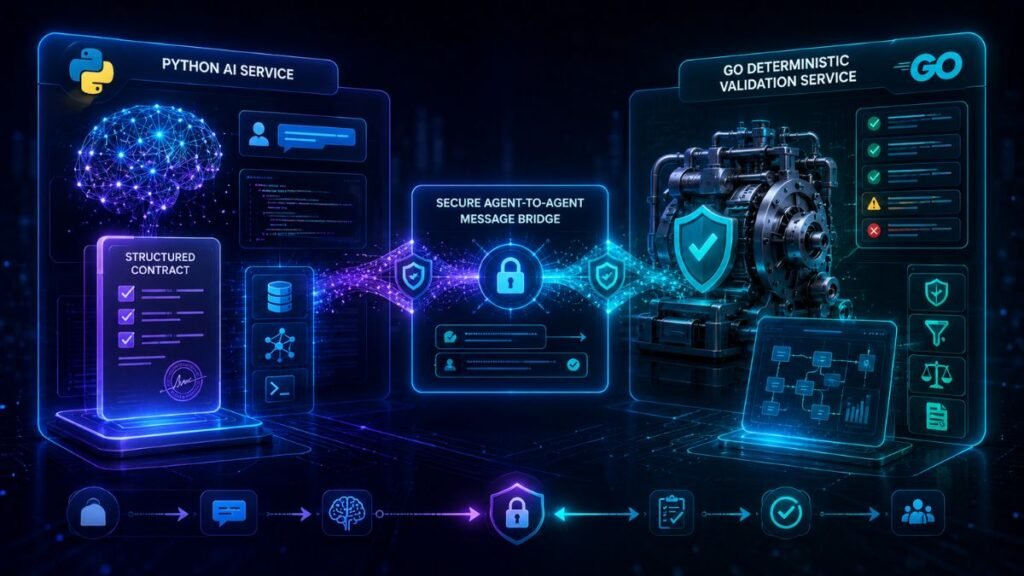
LLM Guardrails Explained: LLM guardrails visual showing safer AI systems with filtering, validation, policy checks, and human oversight

LLM Guardrails Explained: How to Make AI Safer in 2026 Large Language Models (LLMs) are now used for customer support, coding, search, writing, enterprise automation, and decision support. But powerful AI systems can also create risks. They may: hallucinate facts reveal sensitive information generate harmful content ignore business rules be manipulated by malicious prompts That

LLM Guardrails Explained: Safer AI Systems Guide Read More »

Scroll to Top