

Multimodal AI Examples: Real-World Applications Across Industries
Multimodal AI examples are appearing everywhere because modern AI can now work with text, images, audio, video, documents, charts, and sensor data together. Instead of only answering typed questions, multimodal AI can inspect screenshots, listen to voice, analyze images, read documents, and combine those signals into more useful responses.
In Simple Terms
Multimodal AI means AI that can understand more than one type of information. A normal chatbot mainly works with text. A multimodal AI system can combine text with images, audio, video, documents, or sensor data. That makes it useful for real-world workflows where information rarely arrives in one clean format.
For example, a customer support agent may receive a screenshot, a written complaint, and a voice note. A doctor may review a scan, lab report, and clinical note. A retail shopper may upload a product photo and ask for similar items. These are all practical multimodal AI examples because the system must connect multiple data types before giving a useful answer.
Customer Support With Screenshots, Text, and Voice
One of the clearest multimodal AI examples is customer support. Instead of forcing users to describe a problem in words, a support system can accept a screenshot, chat message, product photo, or voice recording. The AI can inspect the visual issue, understand the written request, and suggest a likely solution.
This is useful for software support, device troubleshooting, ecommerce complaints, insurance claims, and telecom service issues. For example, a user may upload a screenshot of an error message and ask, “Why is this happening?” The AI can read the screenshot, identify the visible error, and recommend next steps. Recent industry coverage highlights customer service and virtual assistants as major multimodal AI application areas, especially when screenshots, voice, and typed descriptions are processed together.
Healthcare AI With Medical Images and Patient Records
Healthcare is one of the most important areas for multimodal AI applications. Medical decisions often depend on mixed information: scans, doctor notes, lab results, symptoms, prescriptions, and patient history. A multimodal system can help organize and interpret these different inputs together.
For example, an AI assistant may compare a radiology image with a clinical note and previous test results to support a doctor’s review. It may also help summarize patient records or flag missing context. This does not mean AI should replace clinicians. Healthcare use cases require expert oversight, strict privacy controls, and careful validation. The value of multimodal AI in healthcare is support, not unsupervised decision-making.
Retail Visual Search and Product Discovery
Retail is another strong example of multimodal artificial intelligence. Shoppers often know what they want visually but cannot describe it precisely. A customer might upload a photo of a jacket, shoe, lamp, or chair and ask for similar products. A multimodal AI system can analyze the image, connect it with product descriptions, filter by availability, and return useful recommendations.
This works because the AI combines visual features with text-based product data. It can understand color, shape, style, category, and written attributes. Retailers can use this for visual search, personalized recommendations, product tagging, and customer support. It is especially helpful in fashion, home decor, beauty, furniture, and ecommerce marketplaces where visual similarity matters.
Education and AI Tutors With Diagrams, Voice, and Text
Multimodal AI can make learning more interactive. Students often learn from diagrams, handwritten notes, videos, audio explanations, and textbook pages. A multimodal AI tutor can analyze a diagram, read the student’s question, and explain the concept in simpler language.
For example, a student may upload a physics diagram and ask, “Why does this force point downward?” The AI can inspect the visual layout, connect it with the text question, and provide a step-by-step explanation. This is more useful than a text-only tutor because the model can respond to the exact learning material. Multimodal AI examples in education also include lecture summarization, language learning, visual accessibility, and interactive practice.
Autonomous Vehicles With Cameras, Radar, Lidar, and GPS
Autonomous vehicles are classic multimodal AI systems because they must understand the physical world using many signals at once. A self-driving system may process camera images, radar, lidar, GPS, maps, speed data, and environmental information together.
Each modality provides different context. Cameras help identify lanes, traffic lights, pedestrians, and road signs. Radar and lidar help estimate distance and movement. GPS and maps provide location context. The system combines these signals to understand surroundings and support driving decisions. This example shows why multimodal AI is not only about chatbots. It is also central to real-world perception and machine decision-making.
Robotics With Vision, Speech, and Sensor Data
Robots need multimodal intelligence because they interact with physical environments. A warehouse robot may use cameras to detect objects, sensors to understand position, and language instructions to complete tasks. A home assistant robot may need to hear a command, recognize objects, and navigate a room safely.
This type of multimodal AI combines perception, reasoning, and action. The robot is not just reading text or classifying images. It must connect visual input, spatial awareness, movement data, and human instructions. As AI agents and robotics continue to develop, multimodal reasoning will become increasingly important for machines that operate outside a screen.
Document Intelligence With PDFs, Tables, Charts, and Layout
Many business documents are naturally multimodal. A report may contain text, tables, charts, scanned pages, signatures, images, and layout structure. A text-only system may extract words but miss the meaning of the layout or visual elements.
Multimodal document AI can understand a document more like a person would. It can read the text, interpret a table, summarize a chart, identify a signature area, or explain a scanned form. This is useful in insurance, finance, legal operations, HR, procurement, and compliance. For example, an AI assistant can review a financial report and explain both the written summary and chart trends.
Manufacturing Quality Inspection With Images and Sensor Signals
Manufacturing teams use multimodal AI for visual inspection and operational monitoring. A system may analyze product images, machine sensor readings, audio from equipment, and production logs together. This helps detect defects, unusual patterns, or early warning signs.
For example, a factory may use cameras to inspect product surfaces while also monitoring vibration, temperature, and machine sounds. Combining these inputs can produce a more reliable view than using one signal alone. This matters because defects or failures may not always be visible in images. Sometimes the earliest clue appears in sound, sensor drift, or production data.
Finance and Insurance With Forms, Photos, Audio, and Records
Finance and insurance workflows often involve mixed data. An insurance claim may include accident photos, written descriptions, forms, repair estimates, and call recordings. A multimodal AI system can help organize this evidence, extract important details, and support faster review.
In finance, AI may combine charts, earnings reports, tables, meeting transcripts, and market commentary. The goal is not to let AI make unchecked financial decisions, but to help professionals review information faster. These workflows benefit from multimodal AI because financial and insurance data often appears across documents, visuals, audio, and structured records.
Enterprise AI Assistants With Screenshots, Dashboards, and Documents
Enterprise AI assistants are becoming one of the most practical multimodal AI examples. Employees work with emails, presentations, dashboards, spreadsheets, PDFs, screenshots, chat messages, and meeting recordings. A multimodal assistant can help search, summarize, explain, and connect this information.
For example, a manager may upload a dashboard screenshot and ask, “Which region needs attention?” The AI can interpret the chart, understand the question, and explain the trend. Another employee may upload a contract and ask for key obligations. This makes multimodal AI especially useful for internal knowledge work, business intelligence, operations, and decision support.
Why These Examples Matter
These multimodal AI examples matter because they show the same pattern: real-world work is not text-only. People use images, speech, video, documents, charts, forms, and sensor signals to make decisions. Multimodal AI is valuable because it helps machines work with that messy reality.
The strongest use cases are not just flashy demos. They solve practical problems: faster support, better document review, visual search, safer robotics, improved learning, and richer business analysis. The key is matching the AI system to the actual workflow instead of forcing every problem into a typed chatbot.
Limitations and Risks
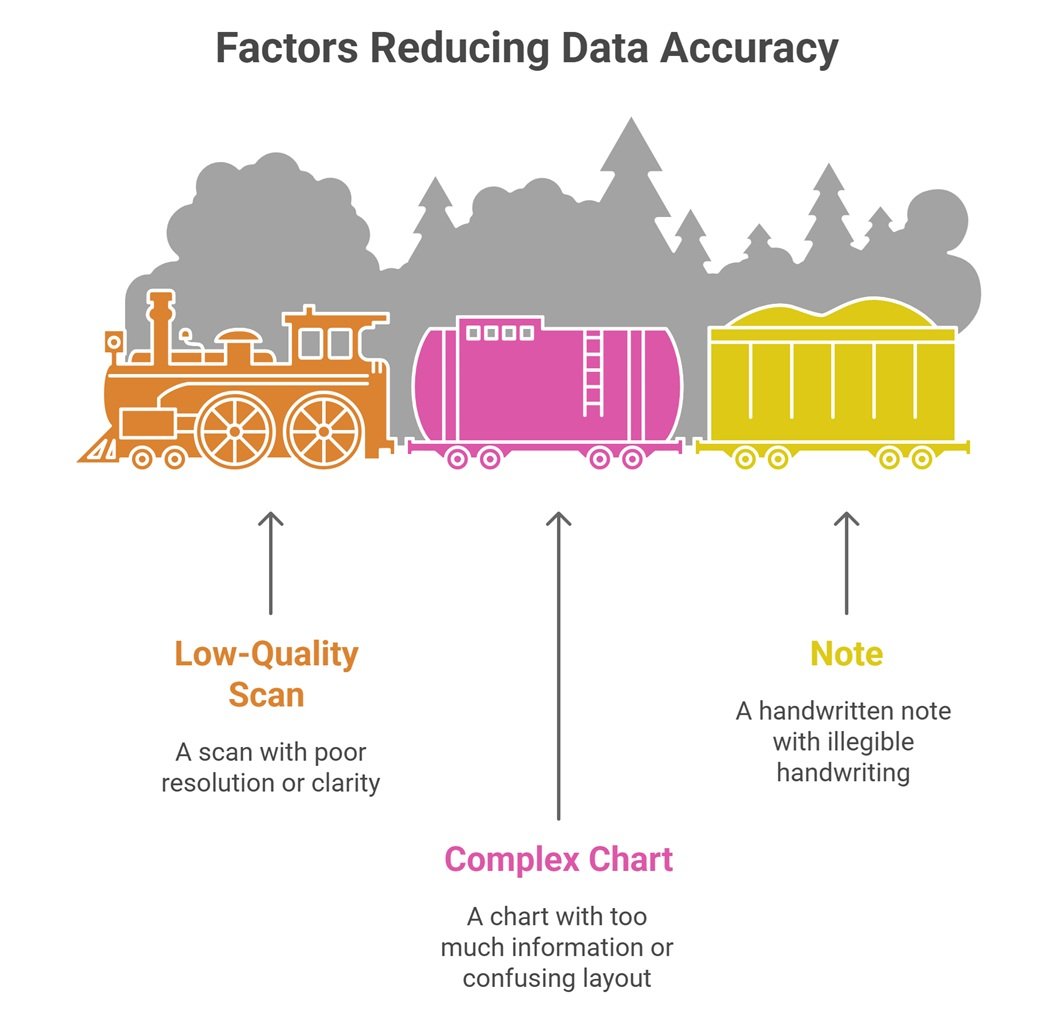
Multimodal AI can still make mistakes. It may misread an image, misunderstand audio, overlook small details, or hallucinate unsupported explanations. A blurry screenshot, noisy voice note, low-quality scan, or complex chart can reduce accuracy.
Security and privacy also matter. Multimodal systems may process faces, voices, medical data, customer records, financial reports, or confidential business documents. Organizations should use access controls, human review, careful evaluation, and clear data governance before deploying multimodal AI in sensitive workflows.
Suggested Read:
- What Is Multimodal AI? Complete Beginner’s Guide to AI Beyond Text
- Multimodal AI Explained Simply
- Multimodal AI Use Cases
- How Multimodal AI Works
FAQ: Multimodal AI Examples
What are examples of multimodal AI?
Examples include customer support systems that analyze screenshots, healthcare tools that combine scans and notes, retail visual search, AI tutors that explain diagrams, autonomous vehicles, robotics, document AI, and enterprise assistants.
How is multimodal AI used in real life?
It is used to combine text, images, audio, video, documents, charts, and sensor data in workflows such as support, healthcare, retail, education, manufacturing, finance, and robotics.
What is a simple multimodal AI example?
A simple example is uploading a screenshot and asking an AI assistant to explain the issue. The system uses both the image and your text question to respond.
Why do businesses use multimodal AI?
Businesses use multimodal AI because important information often exists across documents, dashboards, images, calls, forms, and spreadsheets. Multimodal systems help connect that information.
Is multimodal AI only for images?
No. Multimodal AI can include text, images, audio, video, documents, charts, tables, sensor data, and more.
Final Takeaway
Multimodal AI examples show how AI is moving beyond text-only interaction. The most useful systems can combine language, images, audio, video, documents, charts, and sensor data to understand real-world context better.
To continue learning, explore What Is Multimodal AI, How Multimodal AI Works, and Multimodal AI Use Cases next.