Blog

Your blog category

Multimodal AI for Accessibility: Use Cases and Benefits

Multimodal AI for accessibility visual showing voice input, captions, image descriptions, screen readers, documents, wearable cameras, and assistive AI tools

Multimodal AI for Accessibility: How AI Makes Digital Experiences More Inclusive Multimodal AI for accessibility uses text, images, audio, video, voice, documents, captions, and assistive devices together to help more people access digital and physical information. It can support image descriptions, speech-to-text, text-to-speech, document reading, visual navigation, captions, learning support, and more inclusive interfaces. In […]

Multimodal AI for Accessibility: Use Cases and Benefits Read More »

Prompt Engineering Best Practices: 15 Practical Rules for Better AI Outputs

prompt engineering best practices: AI prompt optimization dashboard showing prompt engineering best practices, structured prompts, testing, and output review.

Prompt Engineering Best Practices Prompt engineering best practices help you write clearer instructions so AI tools produce more useful, accurate, and consistent outputs. The most effective prompts define the task, add context, specify the output format, include examples when needed, and make room for testing and revision. Good prompting is less about tricks and more

Prompt Engineering Best Practices: 15 Practical Rules for Better AI Outputs Read More »

Multimodal AI for Visual Search Explained

Multimodal AI for visual search visual showing image queries, text prompts, product matching, semantic embeddings, vector search, and AI search results

Multimodal AI for Visual Search: How AI Finds Products, Images, and Information Multimodal AI for visual search lets users search with images, text, screenshots, product photos, or mixed prompts instead of relying only on keywords. It uses vision-language models, multimodal embeddings, product metadata, and ranking systems to match visual intent with more relevant images, products,

Multimodal AI for Visual Search Explained Read More »

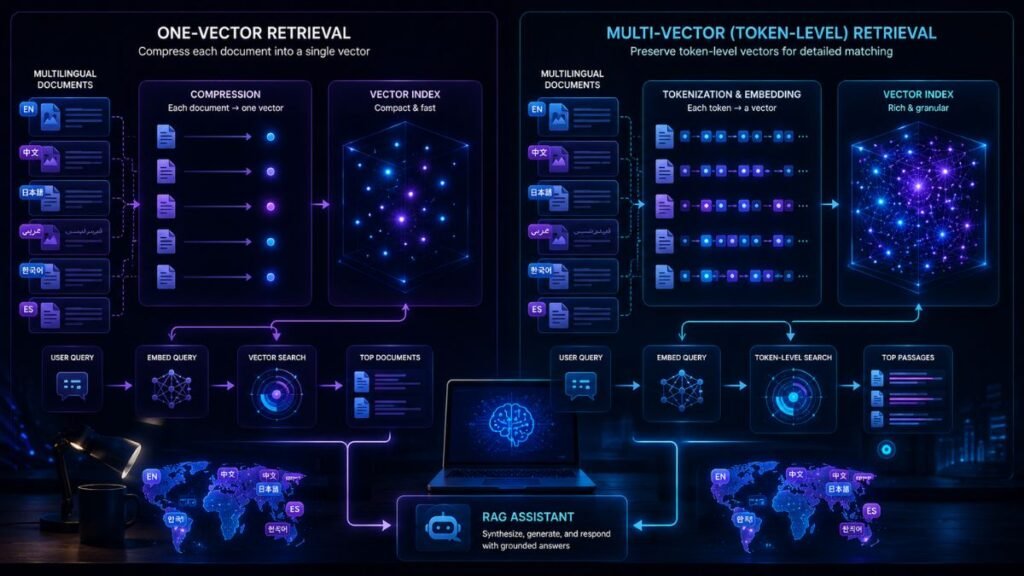
What Does RAG Stand For in AI? Meaning, Examples, and How It Works

What Does RAG Stand For in AI: RAG architecture dashboard showing retrieval, knowledge bases, vector search, LLM generation, and source-grounded AI answers.

What Does RAG Stand For in AI? RAG stands for Retrieval-Augmented Generation in AI. It is a method that helps an AI system retrieve relevant information from external sources before generating an answer. In simple terms, RAG gives a language model access to documents, databases, or knowledge bases so its response can be more accurate,

What Does RAG Stand For in AI? Meaning, Examples, and How It Works Read More »

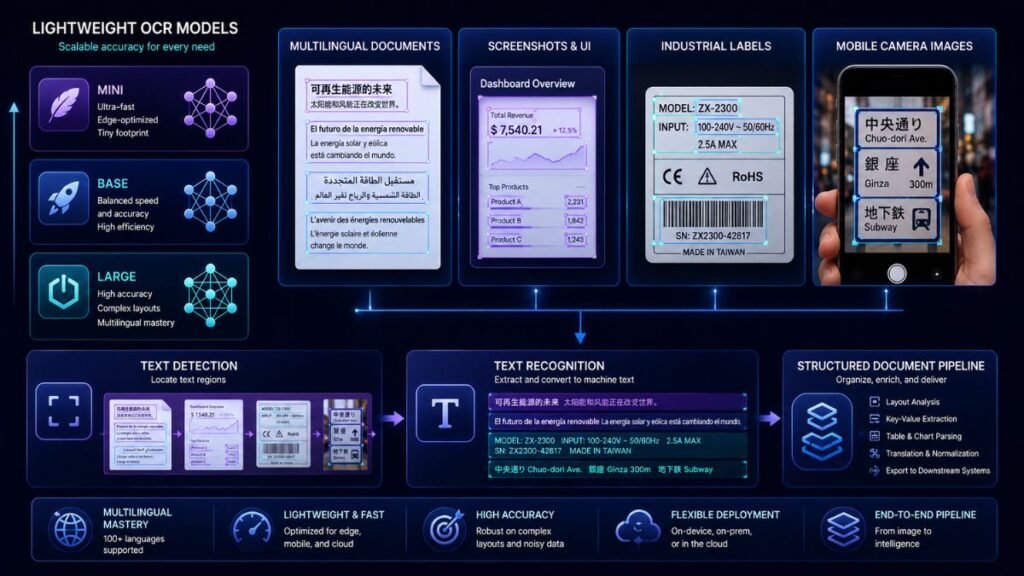
Best Vector Databases for RAG in 2026 Compared

Best vector databases for RAG comparison showing semantic search, embeddings, vector indexes, and enterprise AI retrieval systems

Best Vector Databases for RAG in 2026: Complete Comparison Guide A vector database is one of the most important infrastructure choices in a Retrieval-Augmented Generation system. The right vector database can improve retrieval speed, semantic relevance, metadata filtering, scalability, and grounding quality. The wrong choice can create slow queries, noisy retrieval, higher infrastructure costs, and

Best Vector Databases for RAG in 2026 Compared Read More »

Best RAG Tools and Frameworks Compared for Enterprise AI

RAG tools and frameworks comparison showing orchestration systems, vector databases, semantic retrieval, and enterprise AI infrastructure

Best RAG Tools and Frameworks Compared for Building AI Applications Retrieval-Augmented Generation (RAG) has become one of the most important architectures in modern AI systems. Organizations increasingly use RAG to build: enterprise search systems AI copilots customer support assistants legal AI platforms healthcare retrieval systems analytics assistants AI research tools document intelligence applications operational AI

Best RAG Tools and Frameworks Compared for Enterprise AI Read More »

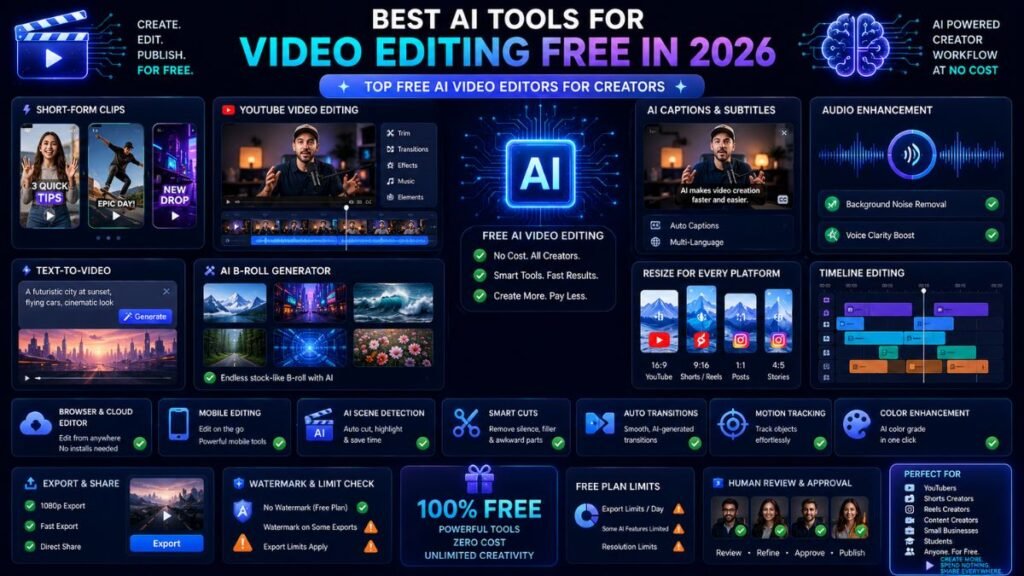
Best ChatGPT Prompts List: 50 Good Prompts for Better Answers and Faster Work

Best ChatGPT Prompts: AI prompt workflow dashboard showing the best ChatGPT prompts for writing, work, study, coding, and productivity.

Best ChatGPT Prompts: 50 Copy-Paste Prompts The best ChatGPT prompts are clear, specific, and built around a real outcome. Instead of asking ChatGPT vague questions, strong prompts give context, define the task, set the format, and explain what a good answer should include. Use this ChatGPT prompts list for writing, work, study, coding, business, research,

Best ChatGPT Prompts List: 50 Good Prompts for Better Answers and Faster Work Read More »

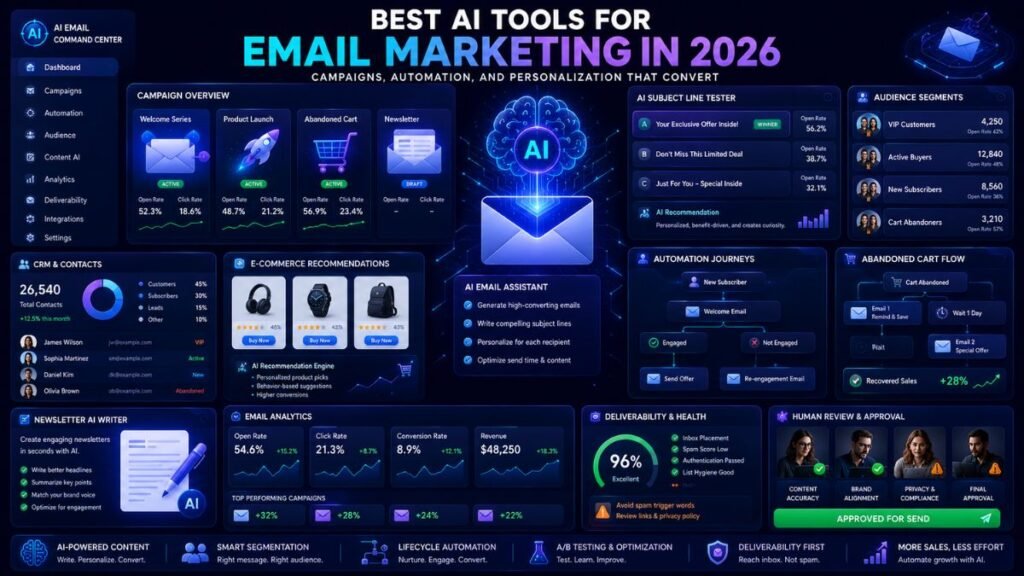
Best AI Prompts for Summarizing: 40 AI Summary Prompts for Documents, PDFs, and Technical Text

Best AI Prompts for Summarizing: AI summarization workflow dashboard showing prompts for PDFs, articles, reports, meetings, and technical documents.

Best AI Prompts for Summarizing: 40 Prompts for PDFs, Articles, Reports, and Meetings The best AI prompts for summarizing do more than say “summarize this.” They tell the AI what type of document it is reading, who the summary is for, what format to use, and what details must not be missed. Use these summary

Best AI Prompts for Summarizing: 40 AI Summary Prompts for Documents, PDFs, and Technical Text Read More »

Real-World Agentic AI Use Cases in Business

real-world agentic AI use cases: Agentic AI use cases dashboard showing customer support agents, coding agents, operations agents, tools, tickets, APIs, alerts, and human approval

Real-World Agentic AI Use Cases in Customer Support, Coding, and Operations Real-world agentic AI use cases are strongest where work has clear goals, repeatable steps, tool access, and measurable outcomes. Customer support, coding, and operations are three practical areas because agents can classify requests, retrieve context, use tools, draft actions, escalate risks, and help teams

Real-World Agentic AI Use Cases in Business Read More »

Scroll to Top