Deepak K

Deepak Kumar is a Project Manager at ScholarEase and Editor for AIML Insights. He writes and edits content on AI, machine learning, data science, statistical analysis, data engineering, and practical technology workflows.

Common Failure Modes in Agentic AI Systems

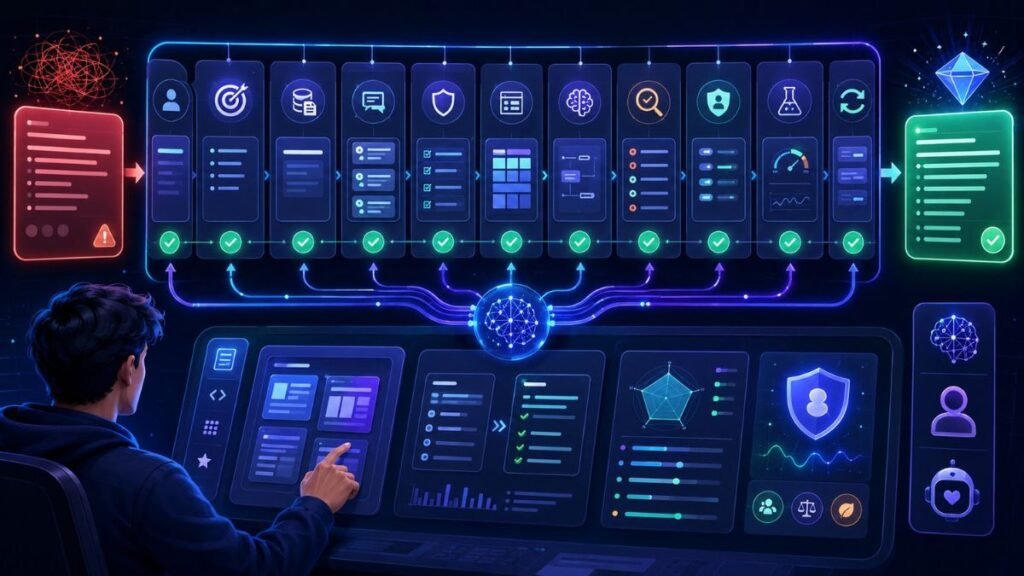
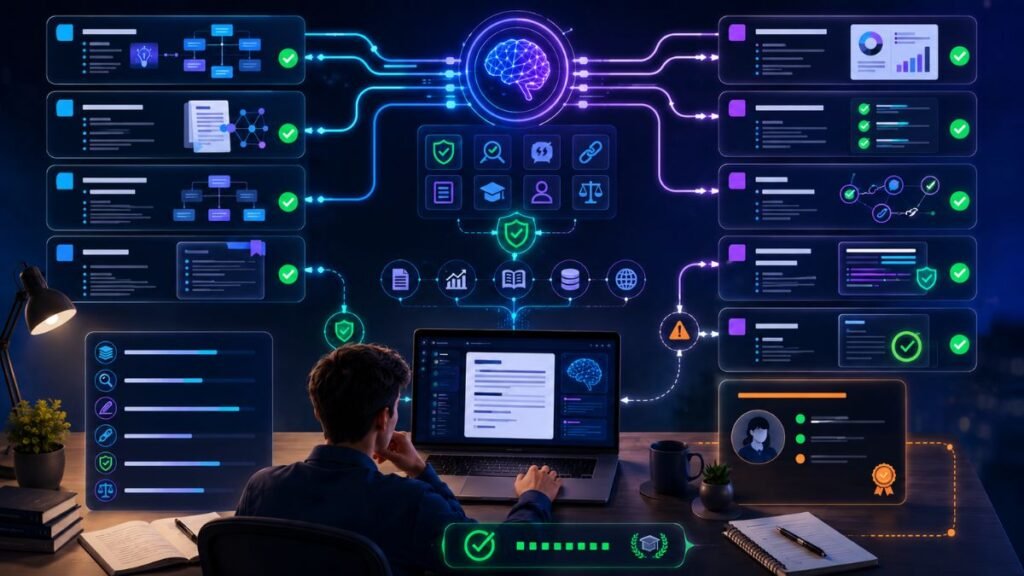
Common Failure Modes in Agentic AI Systems: Agentic AI failure modes dashboard showing planning errors, tool misuse, stale memory, bad retrieval, prompt injection, latency, and human review

Common Failure Modes in Agentic AI Systems: Planning, Tools, Memory, Security, and Production Risks  Common failure modes in agentic AI systems include misunderstood goals, poor planning, wrong tool calls, stale memory, bad retrieval, unsafe autonomy, prompt injection, multi-agent coordination errors, hidden cost growth, and weak observability. These failures matter because agentic AI systems do not […]

Common Failure Modes in Agentic AI Systems Read More »

Observability for Agentic AI: What to Track

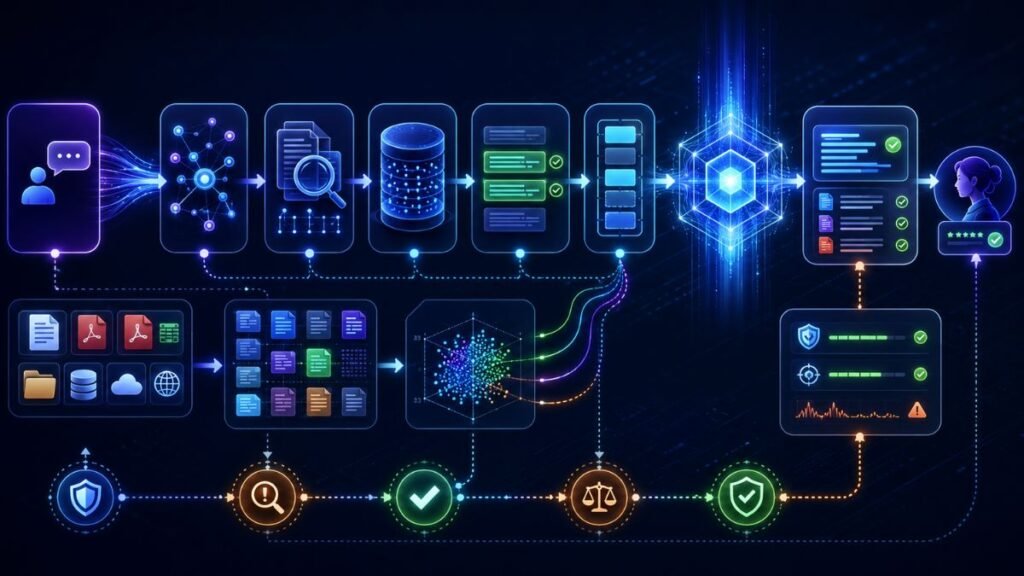
Observability for Agentic AI: Agentic AI observability dashboard showing traces, tool calls, memory events, retrieval, latency, cost, safety flags, and human review checkpoints

Observability for Agentic AI: What Teams Need to Track Observability for agentic AI means tracking how an AI agent thinks, acts, uses tools, retrieves information, handles errors, and completes tasks in production. Teams need more than logs. They need traces, tool-call records, memory events, latency, cost, safety signals, human review points, and outcome metrics. In

Observability for Agentic AI: What to Track Read More »

How to Evaluate Agentic AI Systems Before Production

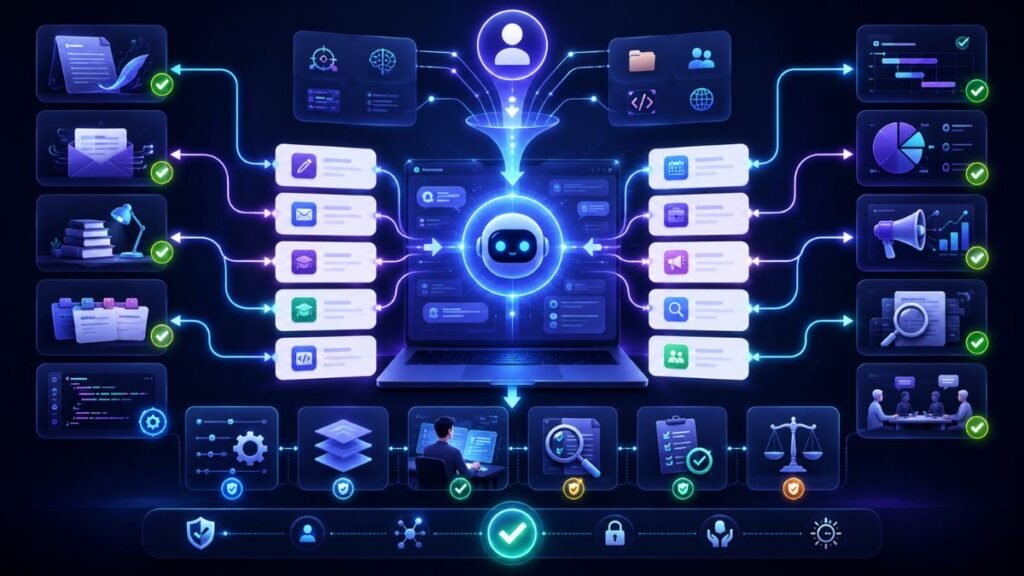
How to Evaluate Agentic AI Systems: Agentic AI evaluation dashboard showing task success, planning, tool use, memory, safety checks, human review, traces, and monitoring metrics

How to Evaluate Agentic AI Systems How to evaluate agentic AI systems: test whether the agent completes the right goal, follows a safe plan, uses tools correctly, remembers only useful context, avoids hallucinations, escalates when needed, and performs reliably in production. Agentic AI evaluation is not just answer scoring; it is workflow testing. In Simple

How to Evaluate Agentic AI Systems Before Production Read More »

Agentic AI Architecture: Components, Workflow, Tools, Memory, and Safety

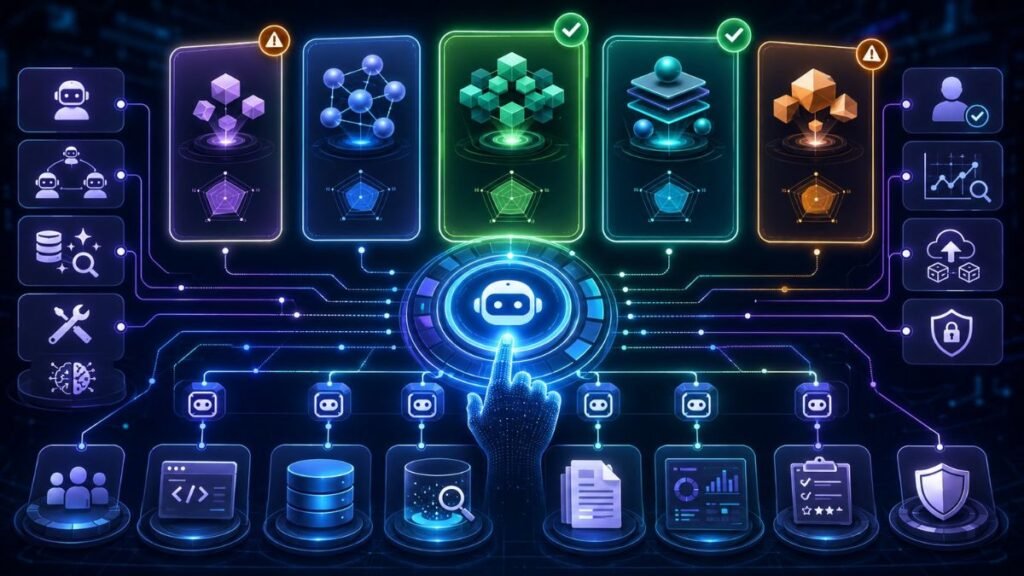
Agentic AI architecture: Agentic AI architecture diagram showing perception, planning, memory, tool use, action, feedback, evaluation, and human approval

Agentic AI Architecture Explained Simply Agentic AI architecture is the design of an AI system that can receive a goal, understand context, plan steps, use memory, call tools, take actions, check results, and escalate when needed. It is the structure that turns an AI model from a passive responder into a controlled task-completing system. In

Agentic AI Architecture: Components, Workflow, Tools, Memory, and Safety Read More »

Agentic AI vs Generative AI: Key Differences

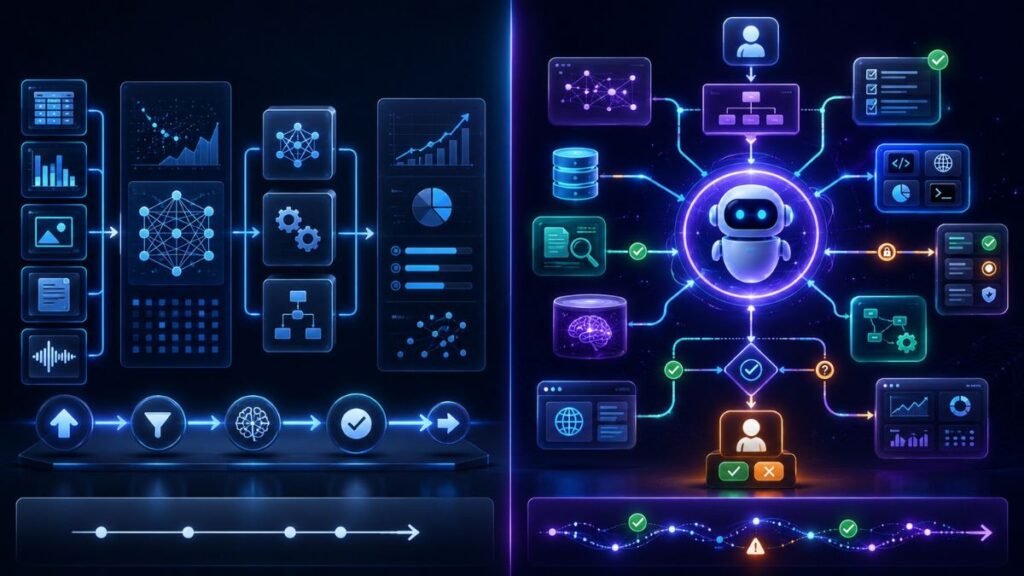
Agentic AI vs generative AI : Agentic AI vs generative AI comparison showing generative AI creating content and agentic AI planning tasks, using tools, and completing workflows

Agentic AI vs Generative AI: What’s the Difference? Agentic AI vs generative AI is the difference between AI that mainly creates content and AI that can pursue goals through actions. Generative AI writes, summarizes, codes, or creates images from prompts. Agentic AI plans steps, uses tools, checks progress, and completes workflows with limited human supervision.

Agentic AI vs Generative AI: Key Differences Read More »

Scroll to Top