Large Language Models

How LLMs Work: Tokens in the context of large language models training

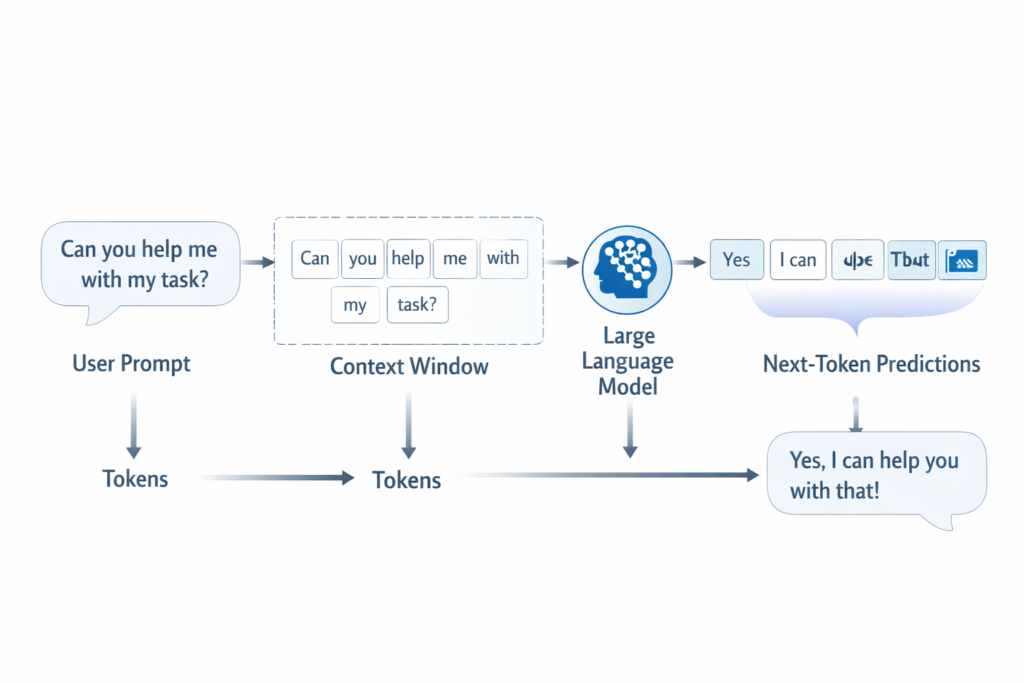
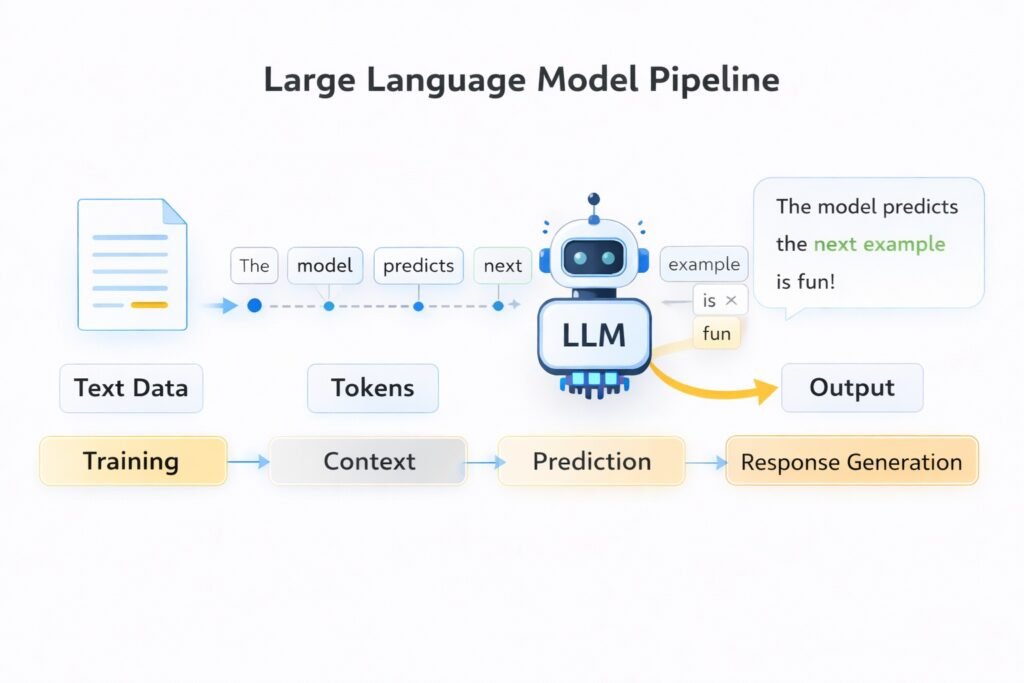
Diagram showing how LLMs work with tokens context and inference

How LLMs Work: Tokens, Context, and Inference Large language models (LLMs) work by turning text into tokens, reading those tokens within a limited context window, and predicting what token should come next. That prediction process is called inference. In simple terms, an LLM does not retrieve meaning the way a person does. It processes patterns […]

How LLMs Work: Tokens in the context of large language models training Read More »

Open Source LLMs vs Closed Models: Key Differences Explained

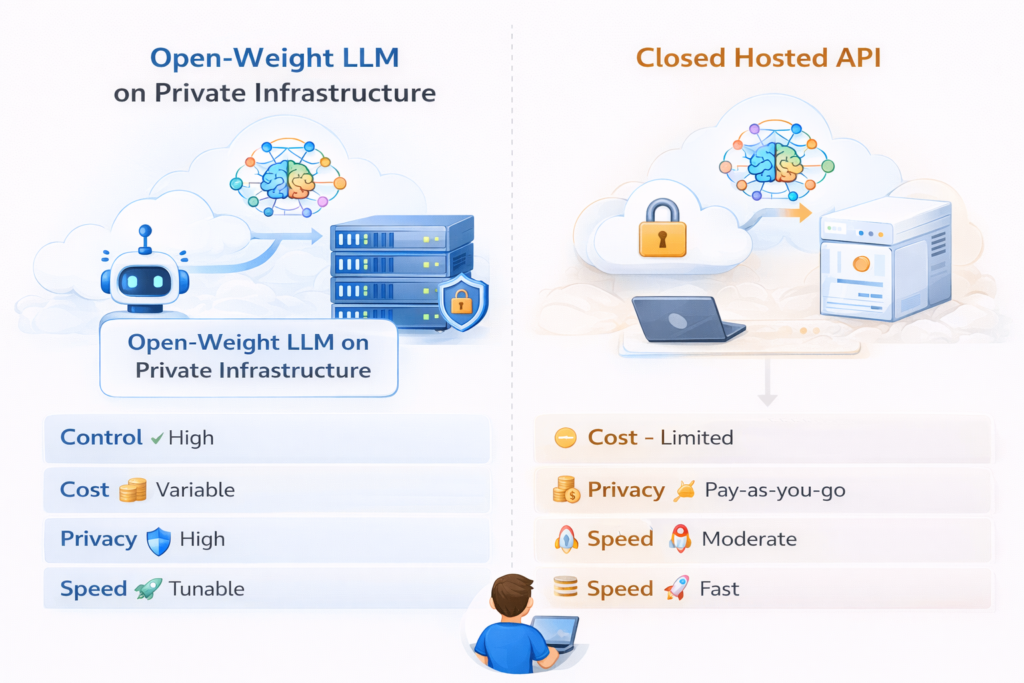
Open source LLMs vs closed models: open-weight model versus hosted closed API

Open Source LLMs vs Closed Models Open source LLMs and closed models solve different problems. In general, open-weight models give you more control, customization, and deployment flexibility, while closed models usually offer easier access, strong managed infrastructure, and faster path-to-production through hosted APIs. In 2026, that trade-off matters more than ever because both camps are

Open Source LLMs vs Closed Models: Key Differences Explained Read More »

Scroll to Top