
Best AI Tools for Beginners in 2026
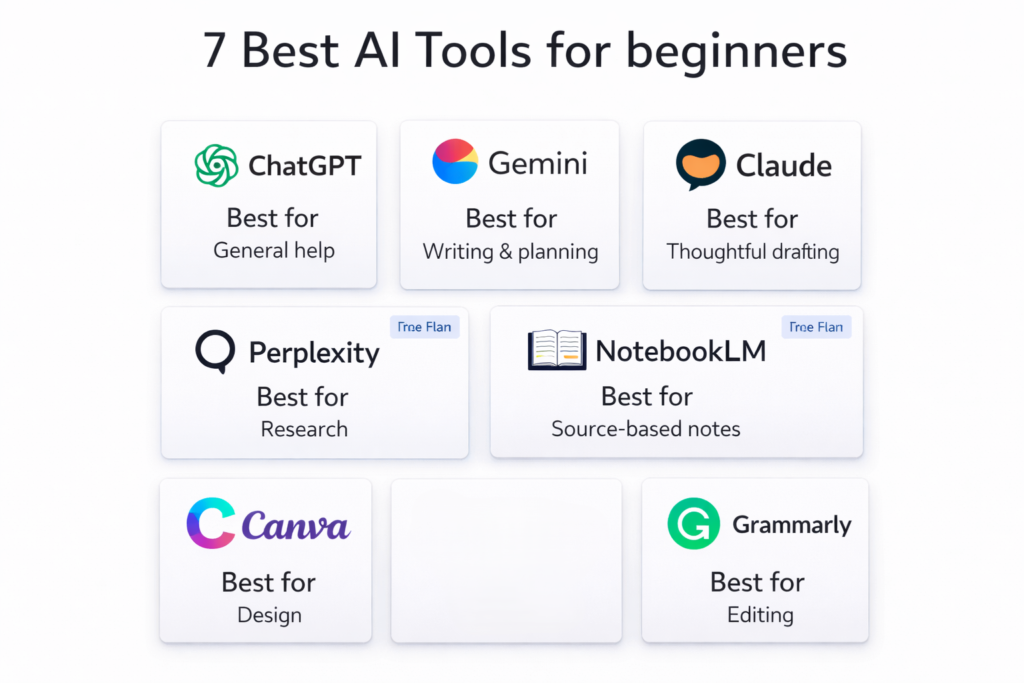
The best AI tools for beginners in 2026 are the ones that create a fast first win. A beginner does not need the deepest feature set. They need tools that are easy to start, useful immediately, and flexible enough to support common tasks like writing, research, note-taking, design, and daily productivity. The strongest beginner-friendly picks right now are ChatGPT, Gemini, Claude, Perplexity, NotebookLM, Canva, and Grammarly. Together, they cover the most common beginner workflows without forcing technical setup.
In simple terms
If you are new to AI, do not start with ten tools. Start with one general assistant, one research or notes tool, and one output tool. That is the easiest way to get useful results without confusion. It is also how current beginner-facing search results tend to frame the choice: by task, not by hype.
What makes an AI tool beginner-friendly?
A beginner-friendly tool usually has four qualities. It has a simple interface. It helps with a common task quickly. It does not need technical setup. And it offers a meaningful free or low-friction starting point.
This matters because the first experience shapes whether a user keeps going. Many ranking roundup pages focus on this same point, but often stop at generic praise. The better way to choose is to ask what kind of beginner you are. Are you writing? Researching? Studying? Presenting? Organizing work? The answer changes the right recommendation.
Best AI Tools : Quick comparison table
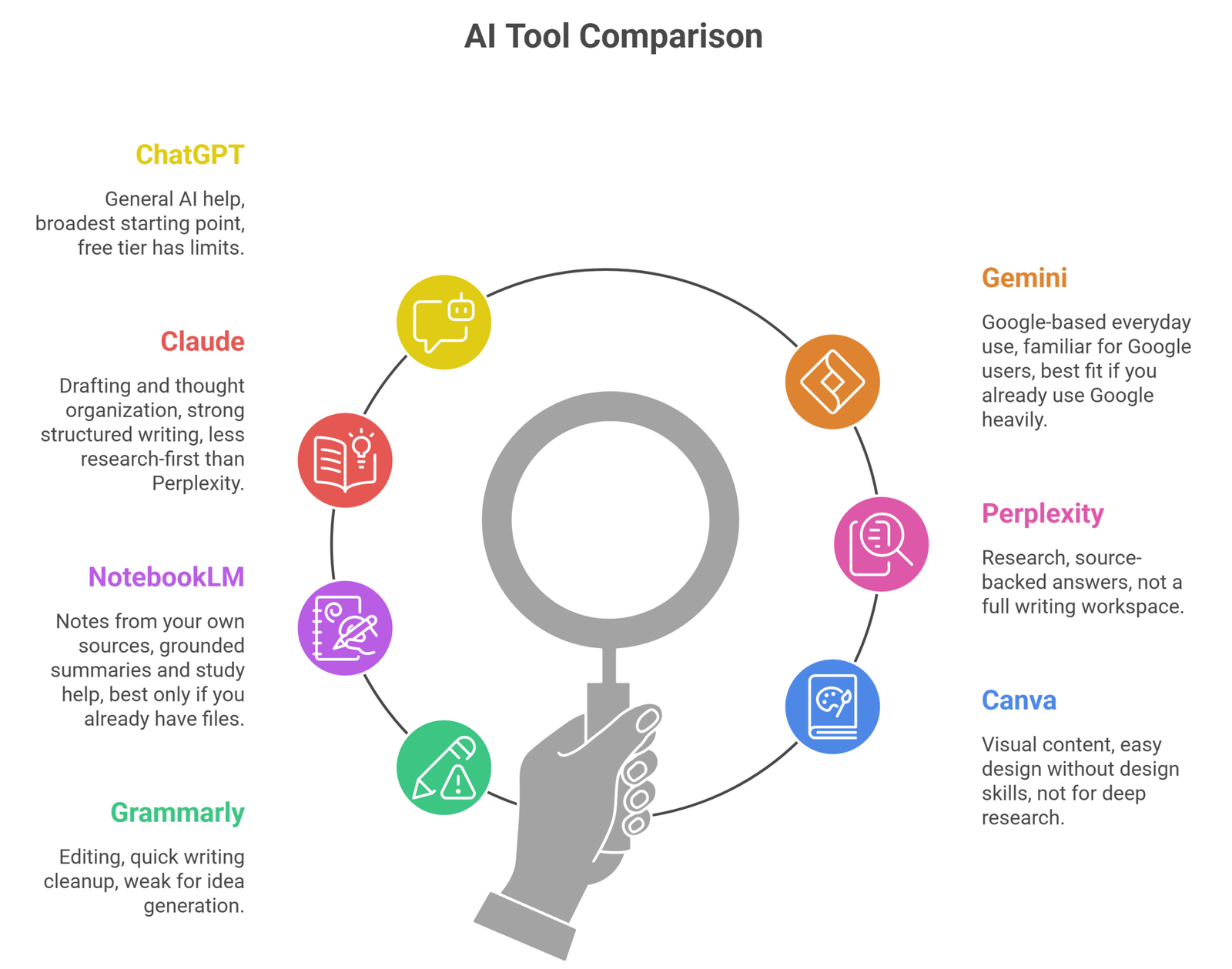
| Tool | Best for | Why beginners like it | Main limitation |
| ChatGPT | General AI help | Broadest starting point | Free tier has limits |
| Gemini | Google-based everyday use | Familiar for Google users | Best fit if you already use Google heavily |
| Claude | Drafting and thought organization | Strong structured writing | Less research-first than Perplexity |
| Perplexity | Research | Source-backed answers | Not a full writing workspace |
| NotebookLM | Notes from your own sources | Grounded summaries and study help | Best only if you already have files |
| Canva | Visual content | Easy design without design skills | Not for deep research |
| Grammarly | Editing | Quick writing cleanup | Weak for idea generation |
ChatGPT
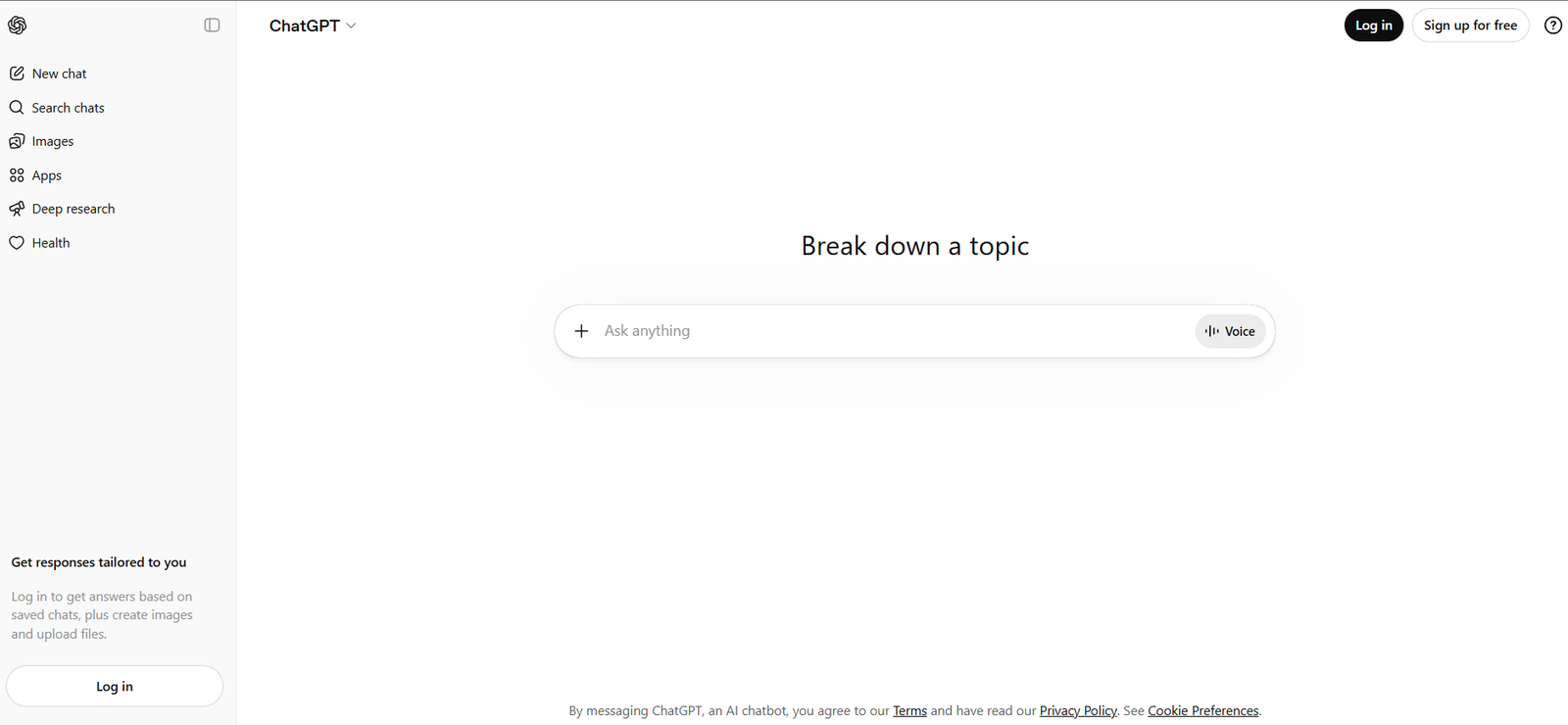
ChatGPT is still the easiest overall starting point because it works across the widest range of beginner tasks. You can use it to brainstorm, explain a topic, summarize notes, improve writing, or turn a rough idea into a checklist. That general usefulness is why it stays near the top of broad tool roundups.
Gemini
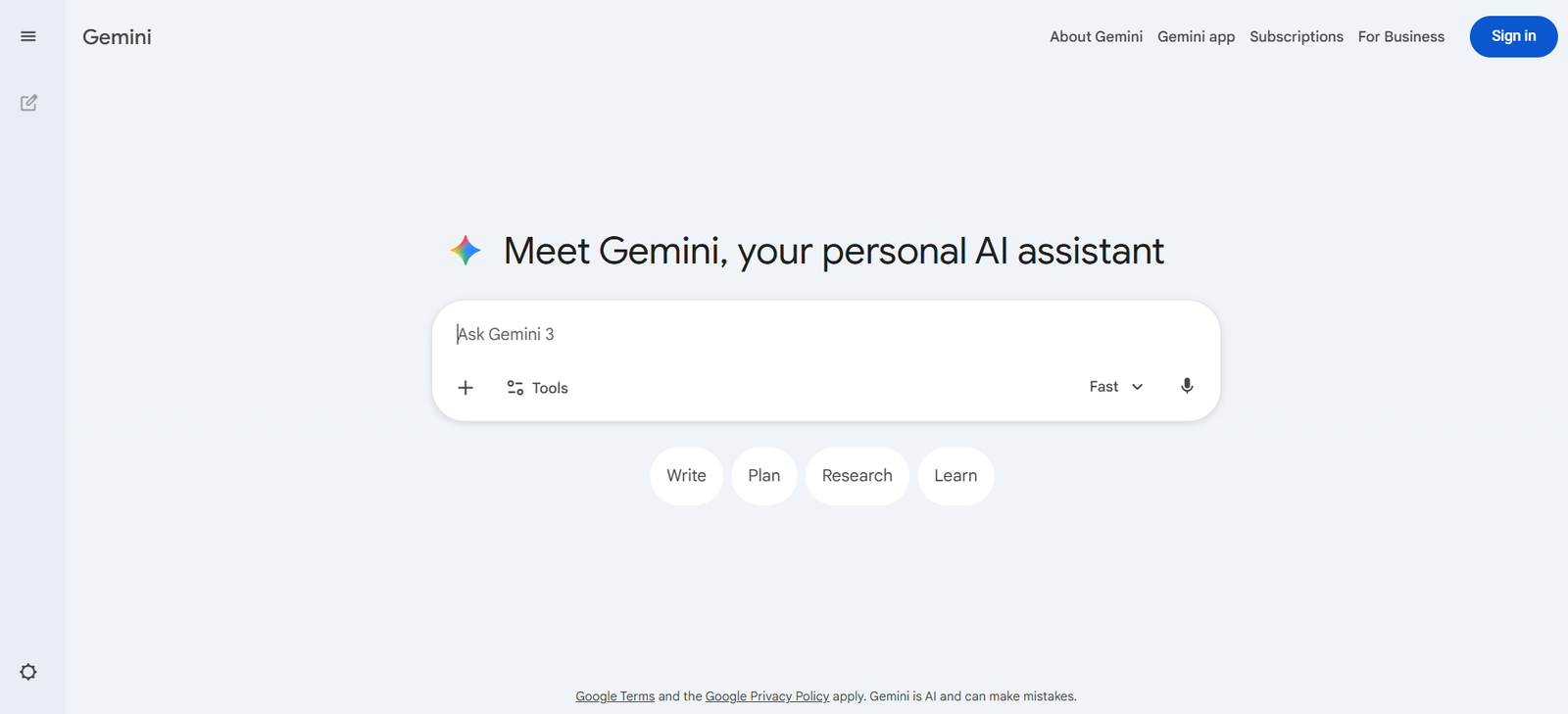
Gemini is a strong choice for users already living inside Google’s ecosystem. It works well for everyday drafting, planning, questions, and basic productivity. For many beginners, its biggest strength is that it feels familiar rather than technical.
Claude
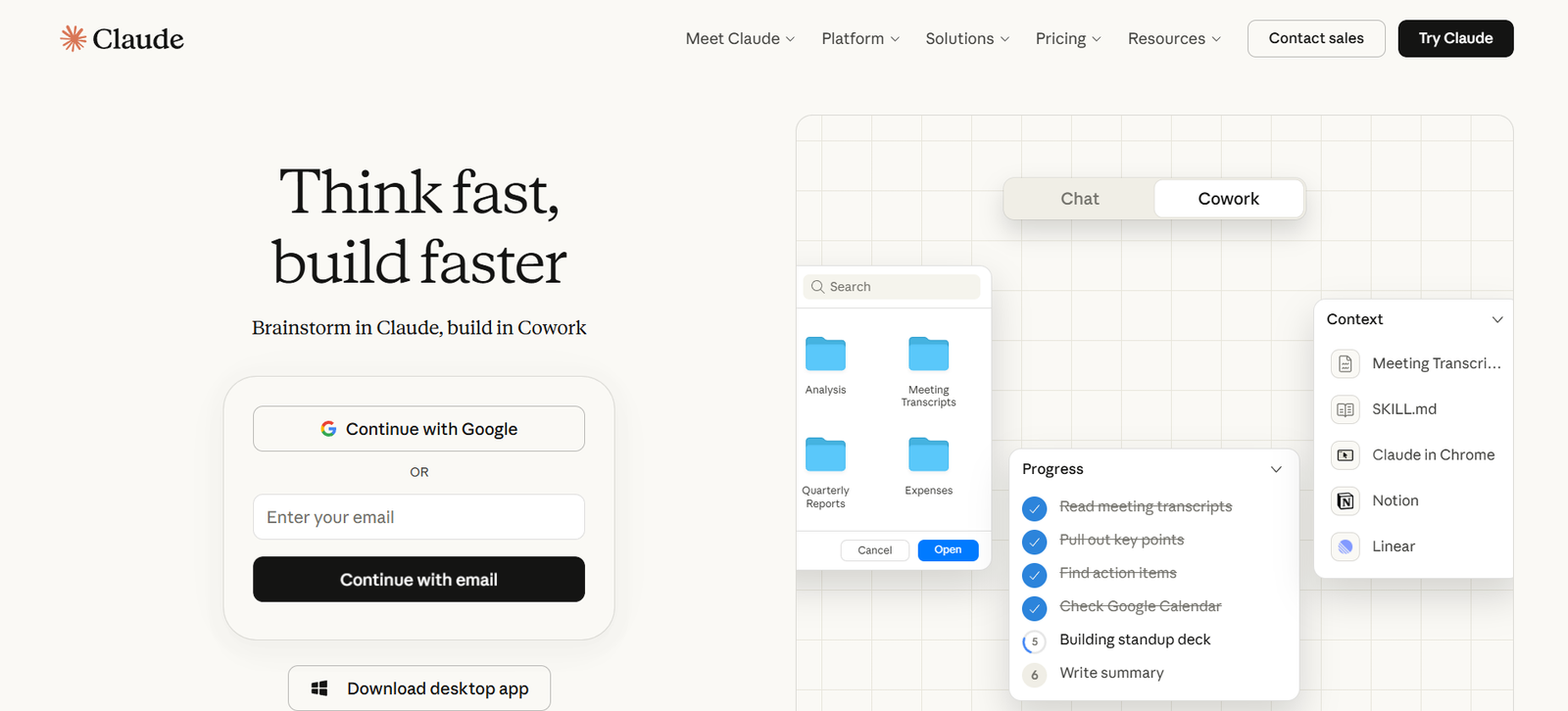
Claude is especially good for beginners who care about clearer long-form writing and more structured drafting. It is not the strongest tool here for research-first workflows, but it is one of the better tools for turning ideas into readable text.
Perplexity
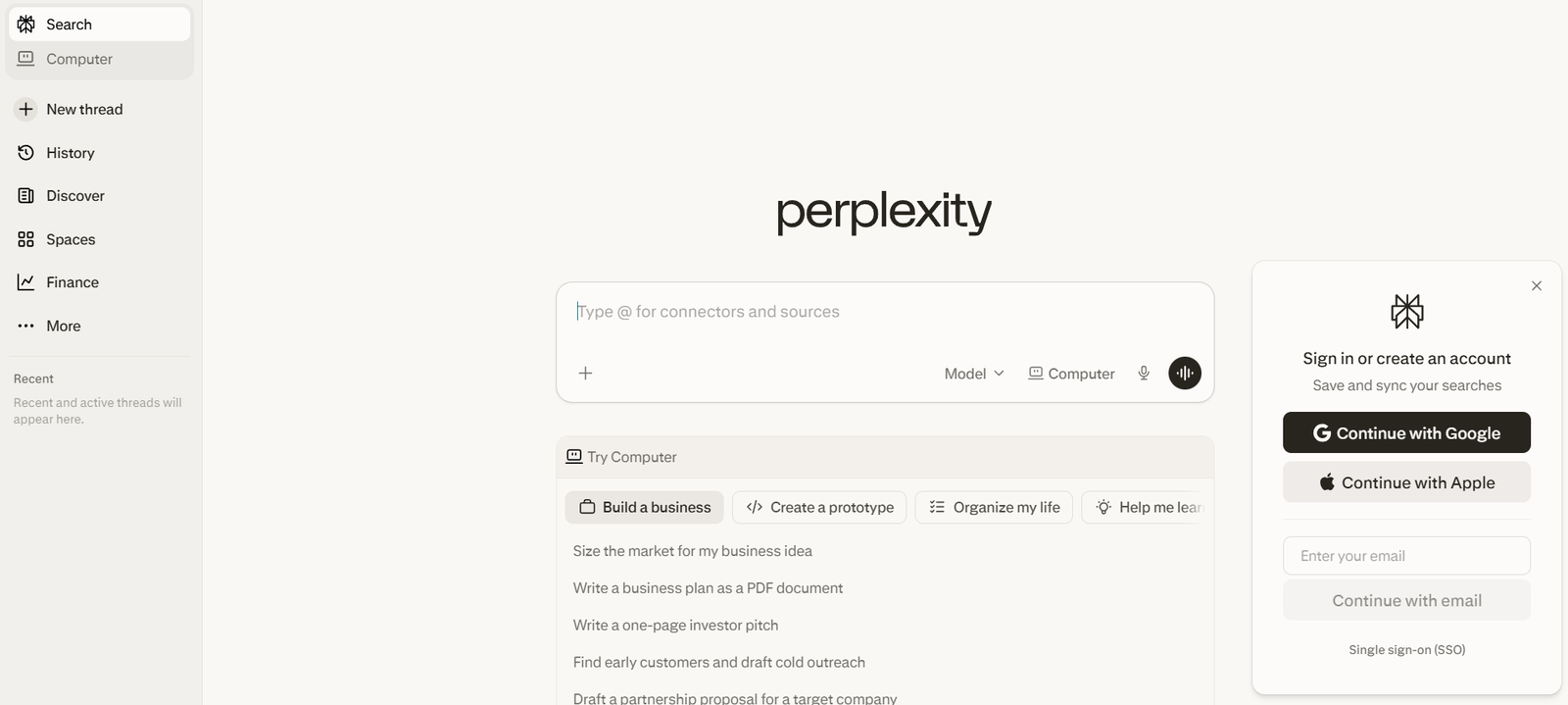
Perplexity is one of the clearest beginner tools for research because it gives direct answers with visible sources. That makes it especially helpful for users who do not want to trust a black-box answer. It is best when the task is exploration, comparison, or first-pass research rather than full drafting.
NotebookLM
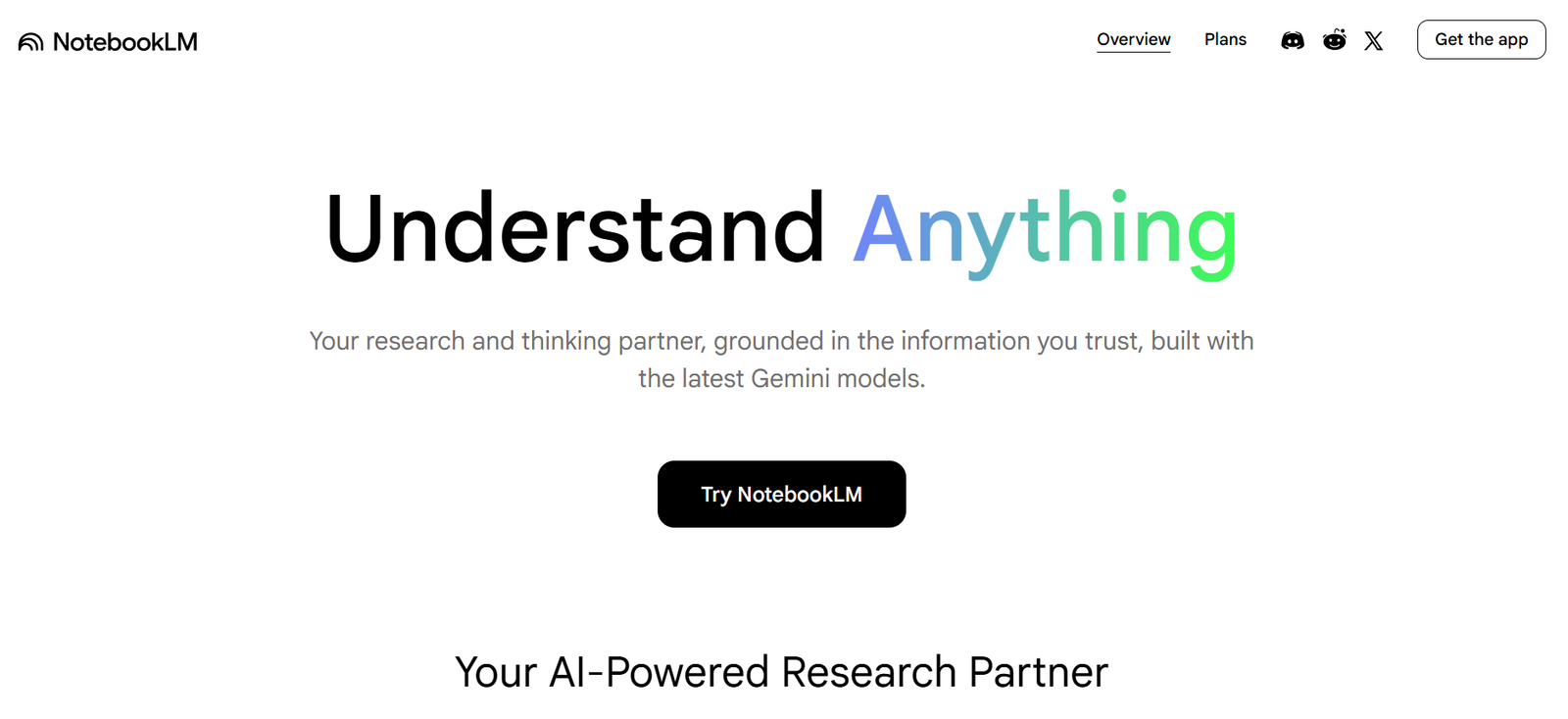
NotebookLM is a strong beginner tool when the work starts from your own materials. If you already have PDFs, notes, websites, or class documents, it can help turn them into grounded summaries and structured notes. That makes it especially useful for students and knowledge workers.
Canva
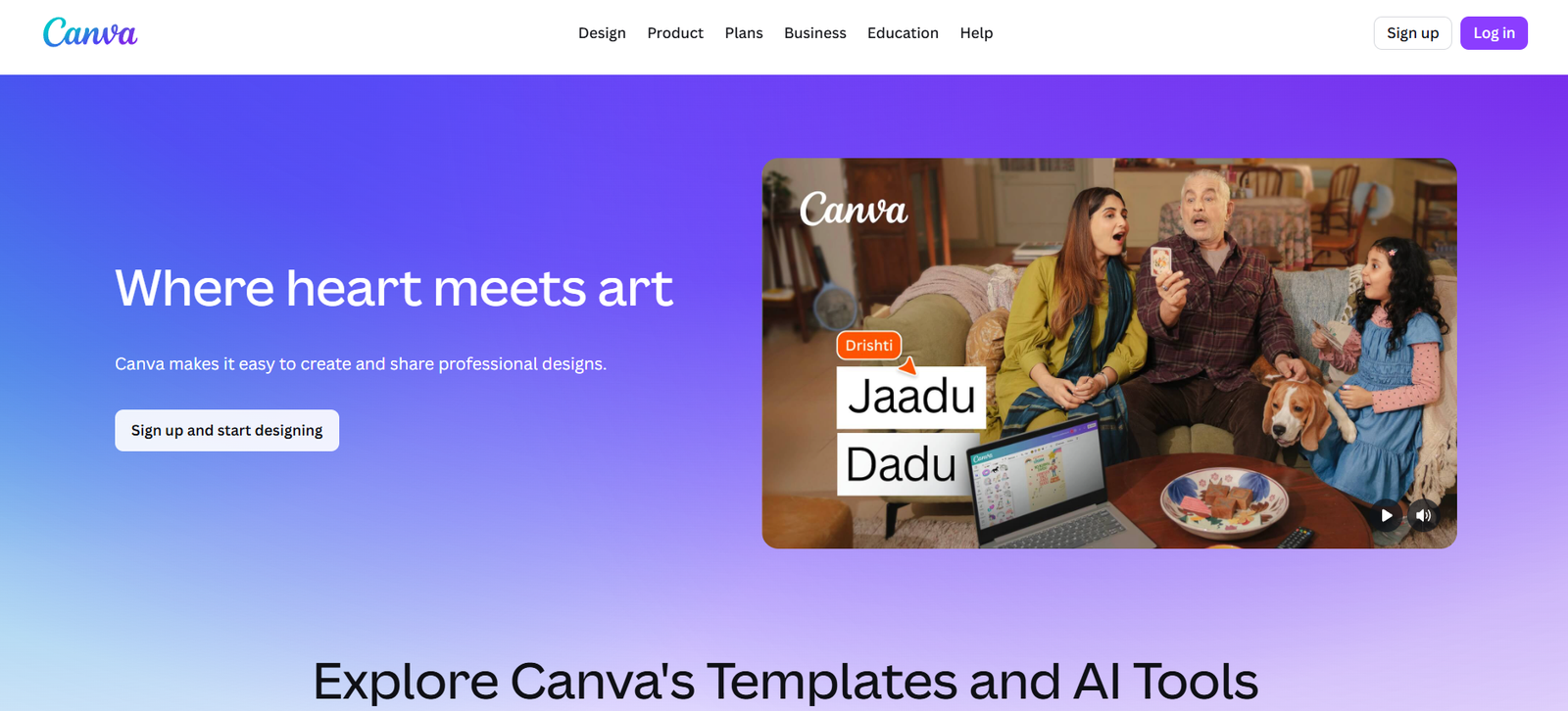
Canva is one of the easiest AI-assisted tools for turning ideas into visuals. For beginners making slides, graphics, or social assets, it often creates more immediate value than another text chatbot.
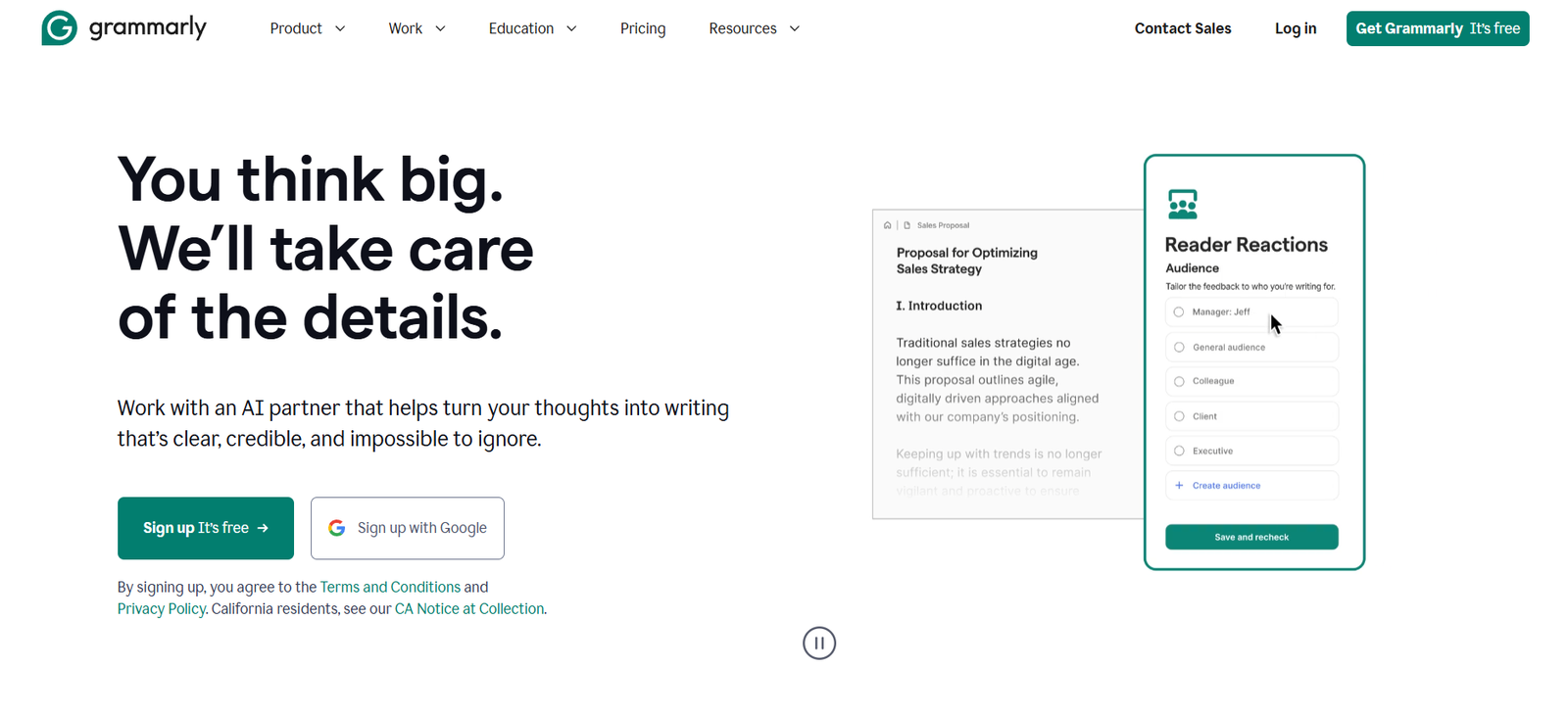
Grammarly
Grammarly remains useful because almost every beginner writes emails, reports, or short documents. It is one of the fastest ways to improve clarity and polish on day one.
Which beginner should use which tool?
A beginner who wants one flexible tool should start with ChatGPT. A beginner who wants research with sources should start with Perplexity. Someone working from PDFs or notes should try NotebookLM. A beginner writer may prefer Claude. Someone making slides or graphics should start with Canva. And anyone who mostly needs better final writing should look at Grammarly.
That use-case split is more helpful than broad “best AI tool” claims, and it mirrors the category-first structure used by many current ranking pages.
Common mistakes beginners should avoid
The biggest mistake is signing up for too many tools at once. The second is expecting one tool to handle research, writing, design, and verification equally well. The third is treating fluent AI output as automatically correct.
A better beginner rule is simple: start with one general tool and one specialist tool. Learn where each one is strong before adding more.
Suggested Read:
- Best AI Tools by Use Case in 2026
- Best Free AI Tools in 2026
- AI Tools for Productivity in 2026
- Best AI Tools for Students: Research, Notes, and Presentations
- Best AI Tools for Bloggers and Content Writers
- AI Tools for Research and Writing in 2026
- Prompt Engineering for Beginners: A Practical Guide
FAQ: Best AI Tools for Beginners
What is the best AI tool for beginners overall?
For most people, ChatGPT is still the strongest all-purpose starting point because it covers the widest range of beginner tasks in one place.
What is the easiest AI tool for research?
Perplexity is one of the easiest research-first tools because it is built around answers with sources rather than only general chat.
What is the best beginner AI tool for writing?
Claude is a strong choice for long-form drafting, while Grammarly is better for cleanup and polishing.
Are free AI tools enough for beginners?
Often, yes. Several major tools in this list have free access or free starting plans, though limits still apply.
Final takeaway
The best AI tools for beginners in 2026 are the ones that make the first win easy. Start with ChatGPT for general help, Perplexity for research, NotebookLM for source-based notes, Claude for long-form writing, Canva for visuals, and Grammarly for cleanup. That small stack is enough for most beginners to get useful results without confusion or tool overload.