
Best AI Agent Frameworks for Developers in 2026
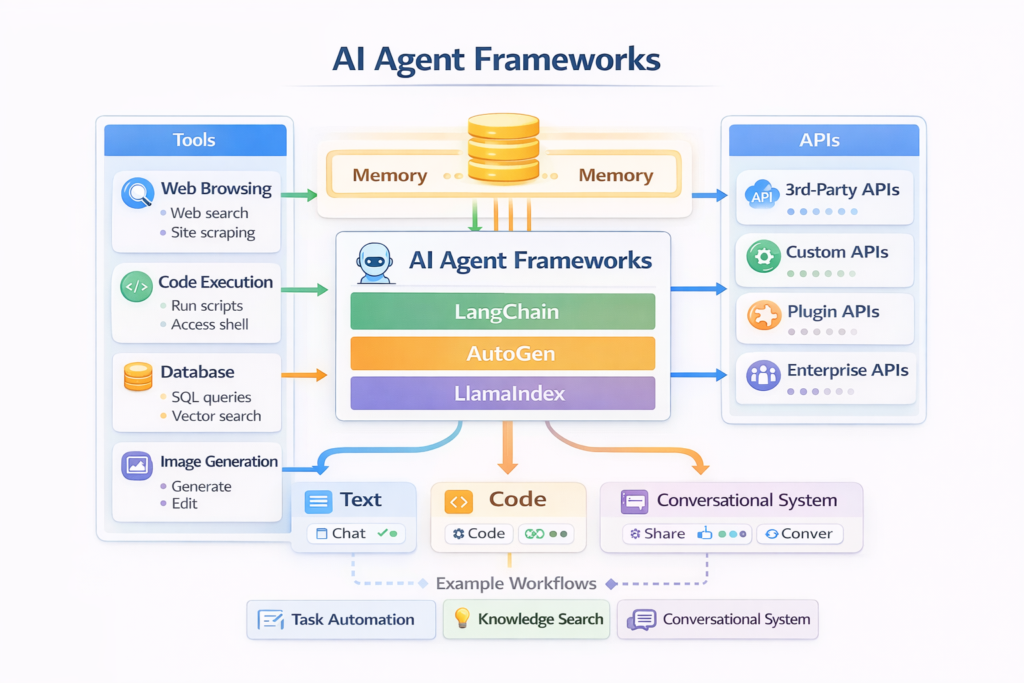
AI agents are quickly becoming the next major layer of application development. Instead of building static AI features, developers are now building systems that can plan, reason, call tools, and execute tasks autonomously. The best AI agent frameworks in 2026 help developers manage this complexity by handling orchestration, memory, tool use, and multi-step workflows.
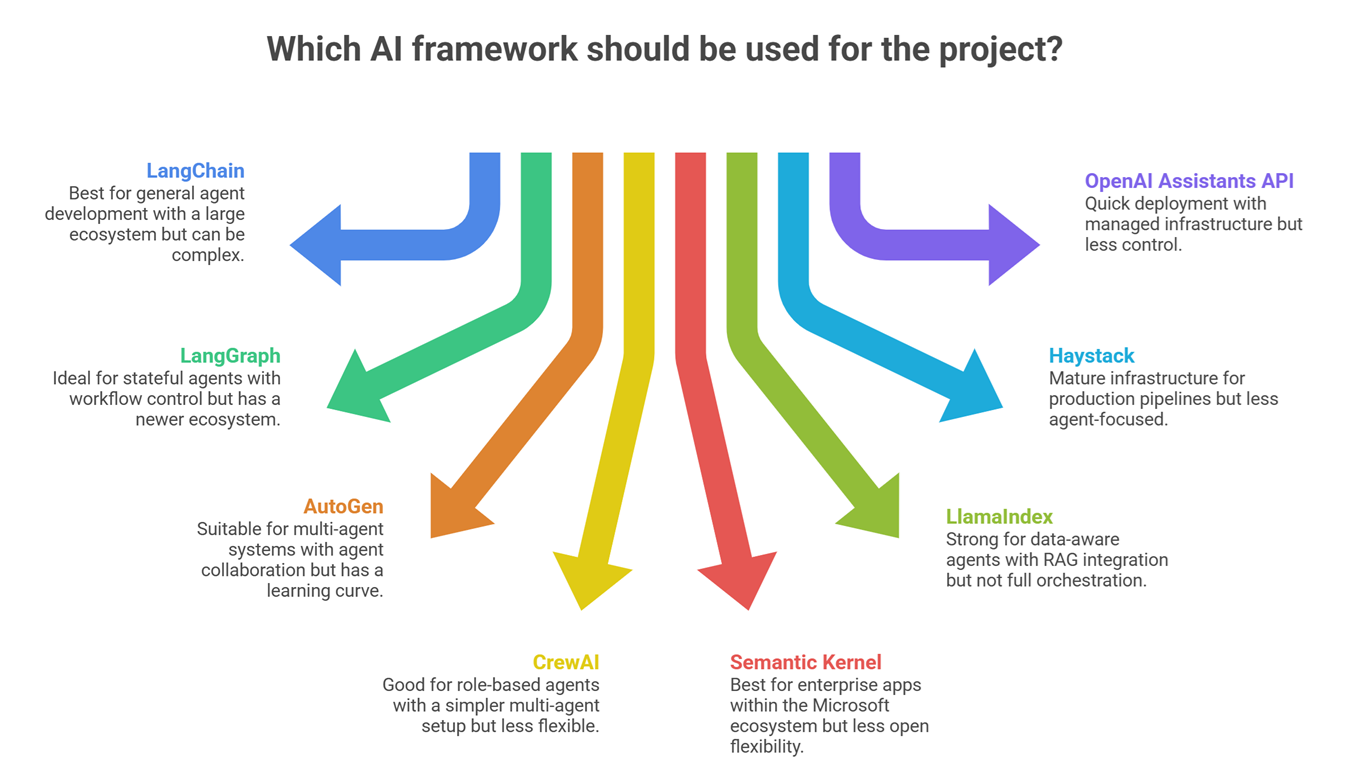
Right now, the most relevant frameworks include LangChain, LangGraph, AutoGen, CrewAI, Semantic Kernel, LlamaIndex, Haystack, and OpenAI Assistants API. Each one solves a different part of the agent problem, and choosing the right one depends on your use case, not just popularity.
In simple terms
An AI agent framework is like a backend system for intelligent automation. Instead of writing everything from scratch, you use a framework that helps your AI:
- plan tasks
- call APIs or tools
- remember context
- collaborate with other agents
The best framework depends on whether you are building chatbots, copilots, automation systems, or multi-agent workflows.
What makes a good AI agent framework?
From analyzing current developer-focused content and GitHub trends, the strongest frameworks share a few traits:
- modular design (tools, memory, reasoning layers)
- support for multi-step workflows
- integration with APIs and external tools
- flexibility across LLM providers
- strong developer ecosystem
Many top-ranking pages mention these features, but often fail to explain when to use each framework. That is the focus here.
Quick comparison table: Best AI Agent Frameworks
| Framework | Best for | Strength | Weakness |
| LangChain | General agent development | Huge ecosystem | Can feel complex |
| LangGraph | Stateful agents | Workflow control | Newer ecosystem |
| AutoGen | Multi-agent systems | Agent collaboration | Learning curve |
| CrewAI | Role-based agents | Simpler multi-agent setup | Less flexible |
| Semantic Kernel | Enterprise apps | Microsoft ecosystem | Less open flexibility |
| LlamaIndex | Data-aware agents | Strong RAG integration | Not full orchestration |
| Haystack | Production pipelines | Mature infra | Less agent-focused |
| OpenAI Assistants API | Quick deployment | Managed infra | Less control |
LangChain — best overall agent framework
LangChain is still the most widely used framework for building AI agents. It provides tools for chaining prompts, integrating APIs, adding memory, and building multi-step workflows.
For developers, its biggest advantage is ecosystem depth. You can connect almost anything: databases, APIs, vector stores, and external tools. That flexibility is why it appears in nearly every top-ranking list.
The downside is complexity. Beginners often struggle with its abstractions, especially when building larger systems.
LangGraph — best for stateful agent workflows
LangGraph builds on LangChain and focuses on stateful workflows. It allows developers to define how agents move between states, making it ideal for:
- multi-step reasoning
- long-running workflows
- complex decision trees
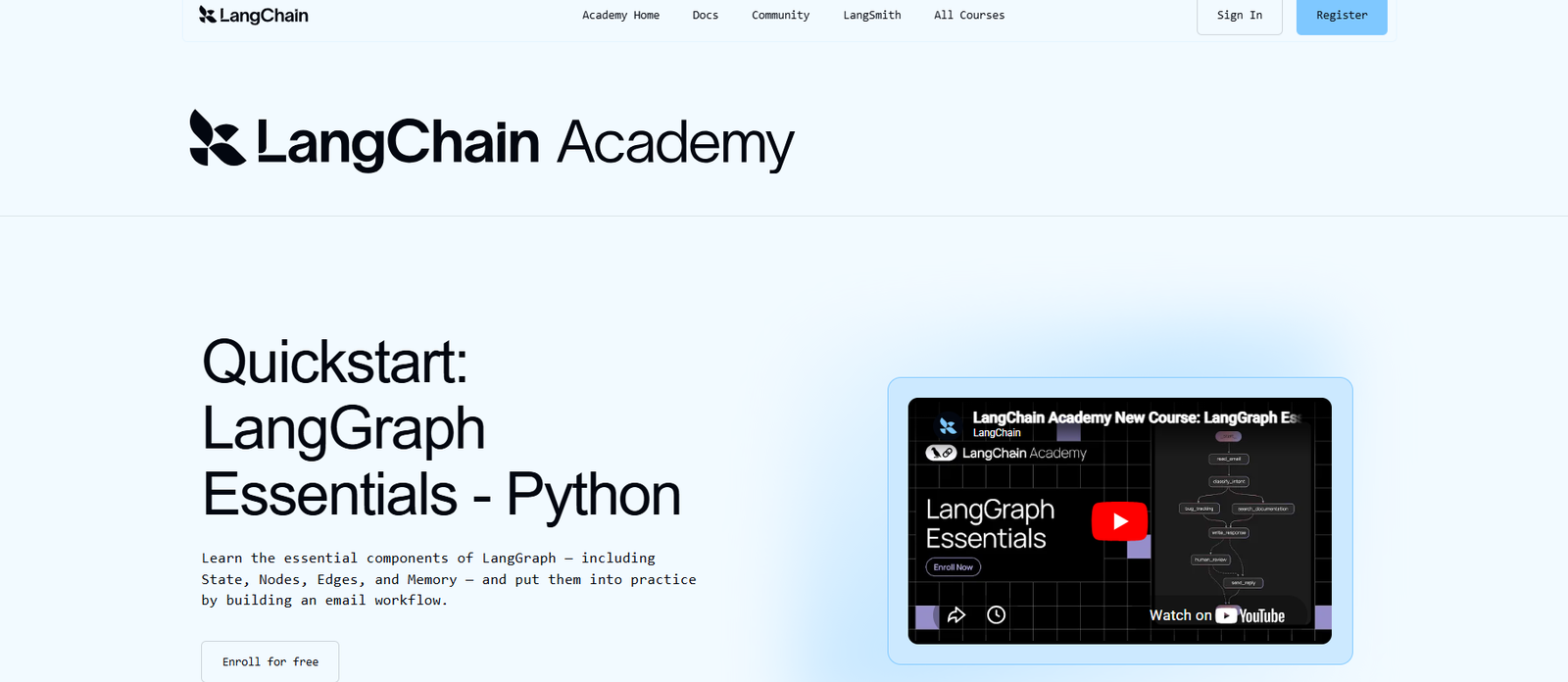
If LangChain is flexible, LangGraph is structured. It is especially useful when your agent needs memory and control over execution flow.
AutoGen — best for multi-agent collaboration
AutoGen (from Microsoft) is designed for systems where multiple agents interact with each other.
Instead of one agent doing everything, you can create:
- planner agents
- executor agents
- reviewer agents
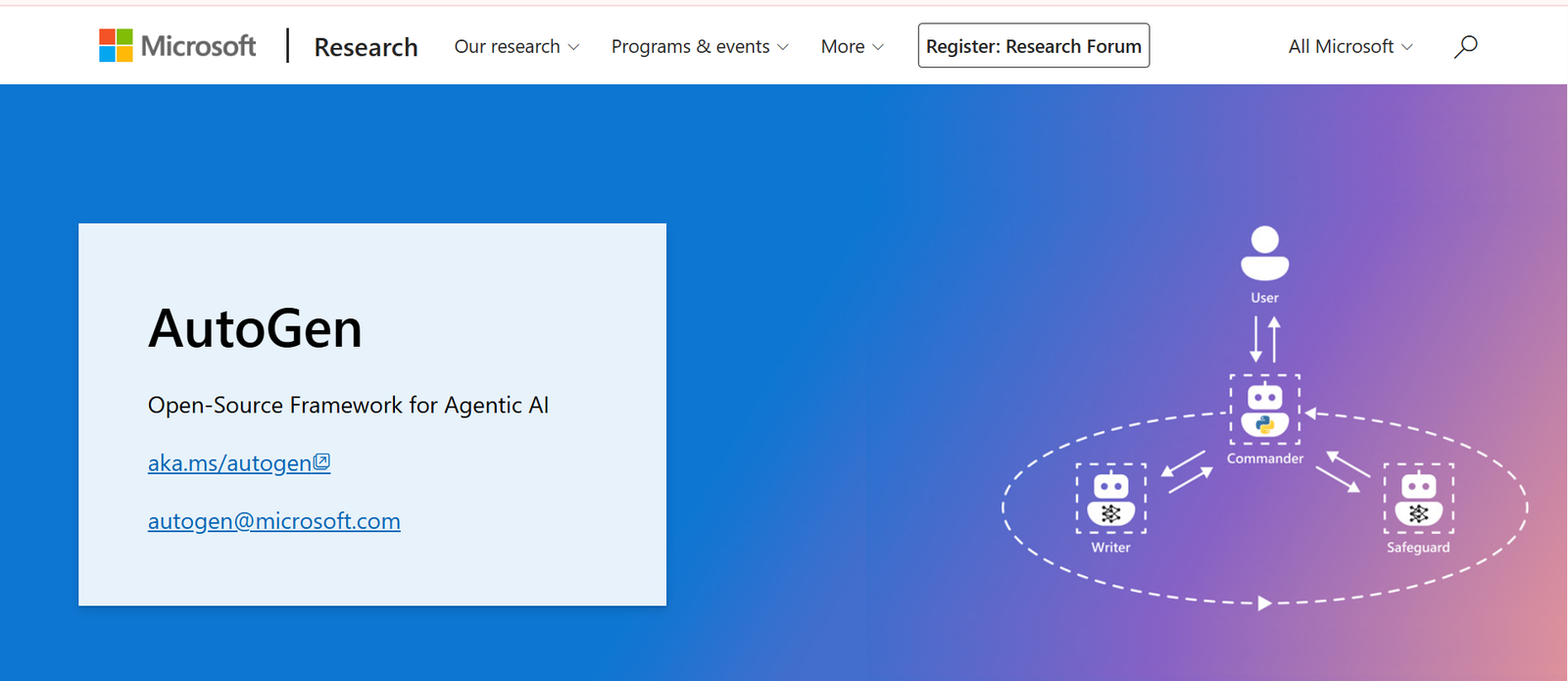
This makes it powerful for tasks like coding assistants, research agents, and automation systems.
The trade-off is complexity. It is powerful, but not beginner-friendly.
CrewAI — best for simple multi-agent setups
CrewAI simplifies the multi-agent concept by introducing roles.
For example:
- Researcher agent
- Writer agent
- Editor agent
This makes it easier to build structured workflows without heavy orchestration logic.
It is less flexible than AutoGen but much easier to start with.
Semantic Kernel — best for enterprise developers
Semantic Kernel is Microsoft’s framework for integrating AI into enterprise applications.
It works well with:
- .NET ecosystems
- Azure services
- enterprise workflows
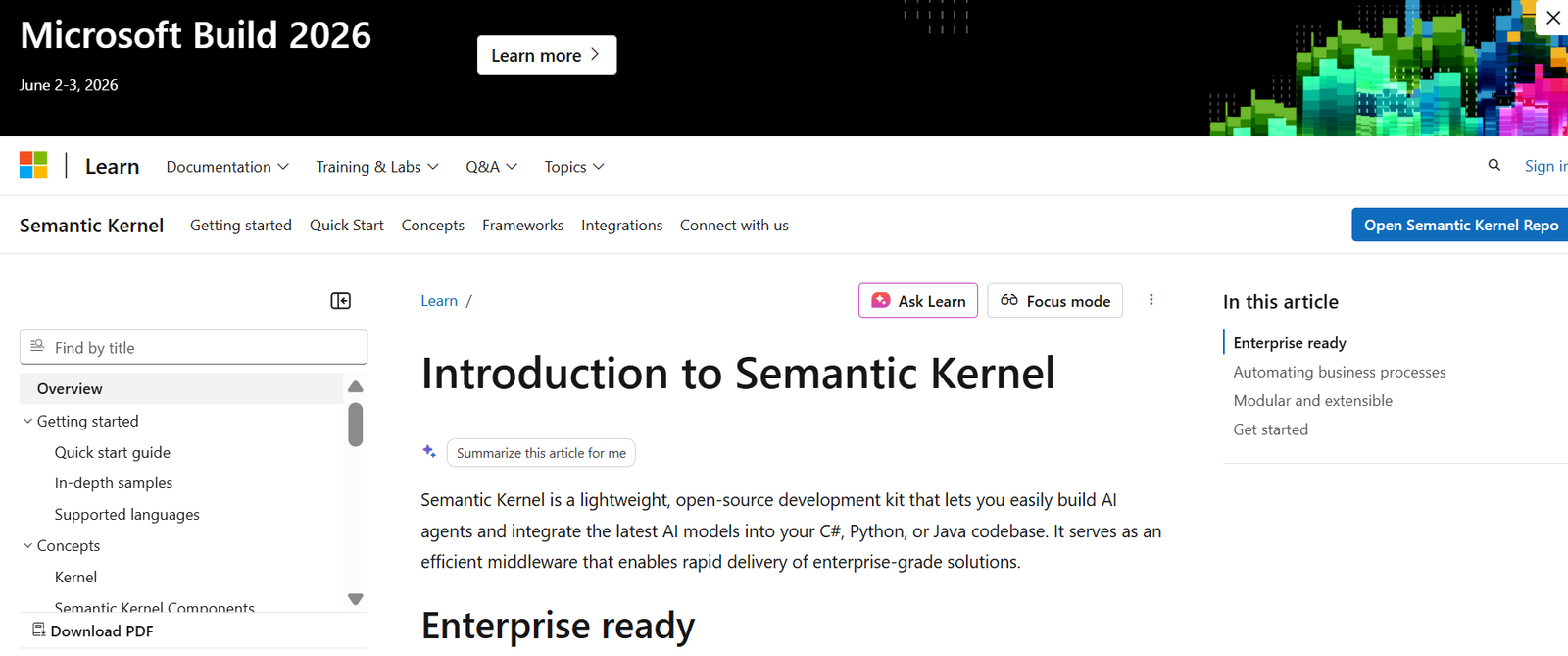
Its strength is reliability and integration, not experimentation. That makes it a better fit for production enterprise systems than for rapid prototyping.
LlamaIndex — best for data-aware agents
LlamaIndex focuses on connecting LLMs with data sources.
It is especially strong for:
- RAG (retrieval-augmented generation)
- document-based agents
- knowledge assistants
It is often used alongside other frameworks rather than as a full agent system.
Haystack — best for production pipelines
Haystack is one of the more mature frameworks for building AI pipelines, especially for search and question-answering systems.
It supports:
- document retrieval
- pipelines
- production deployments
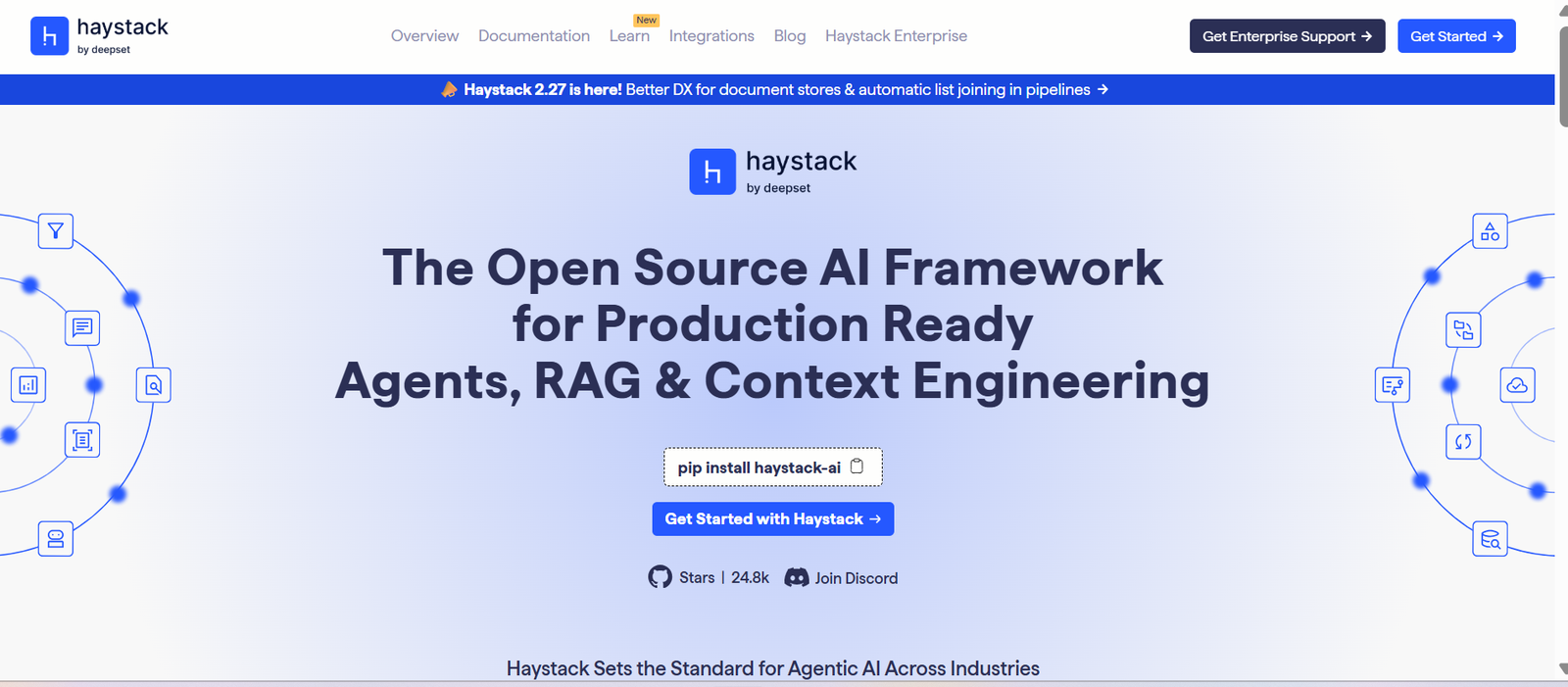
While not purely agent-focused, it is still relevant for developers building structured AI systems.
OpenAI Assistants API — best for fast deployment
The Assistants API allows developers to build agents without managing infrastructure.
It handles:
- tool use
- memory
- file handling
This is ideal for:
- startups
- prototypes
- quick product launches
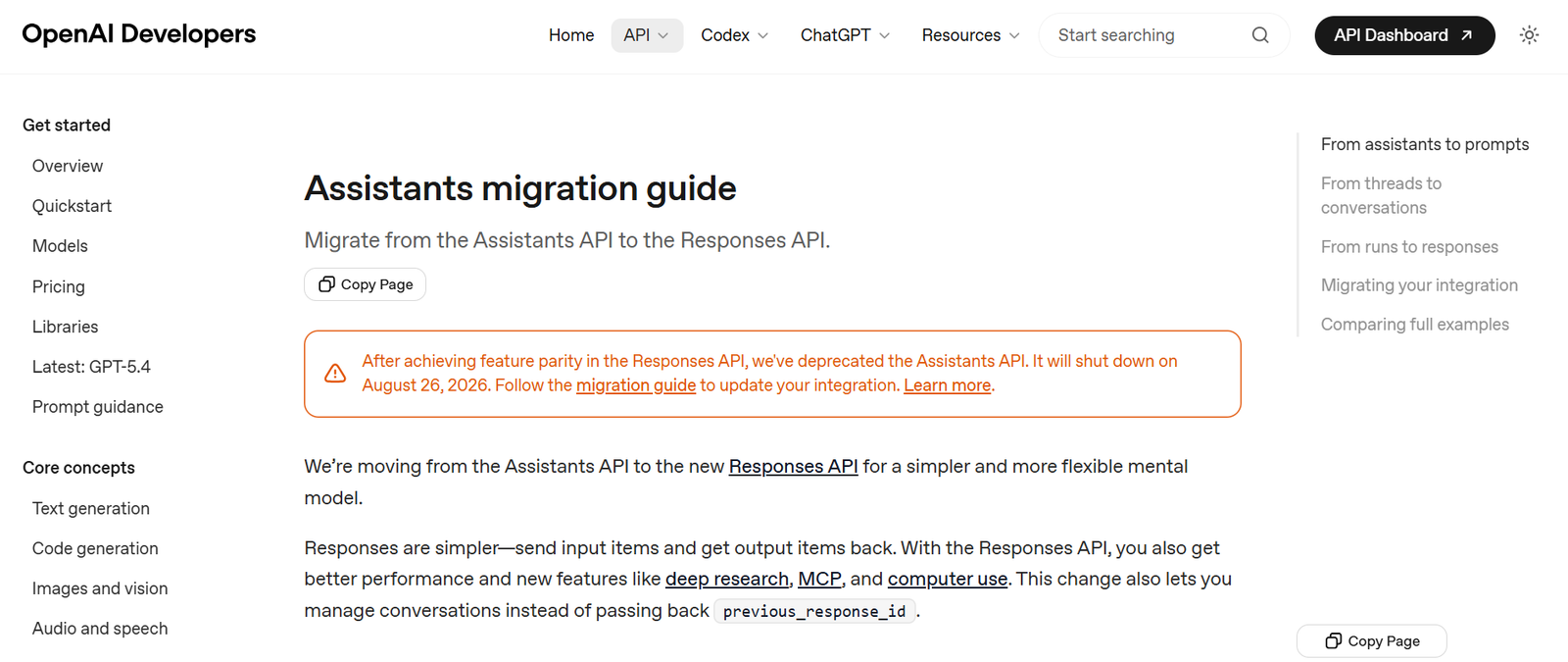
The trade-off is less control compared to open frameworks.
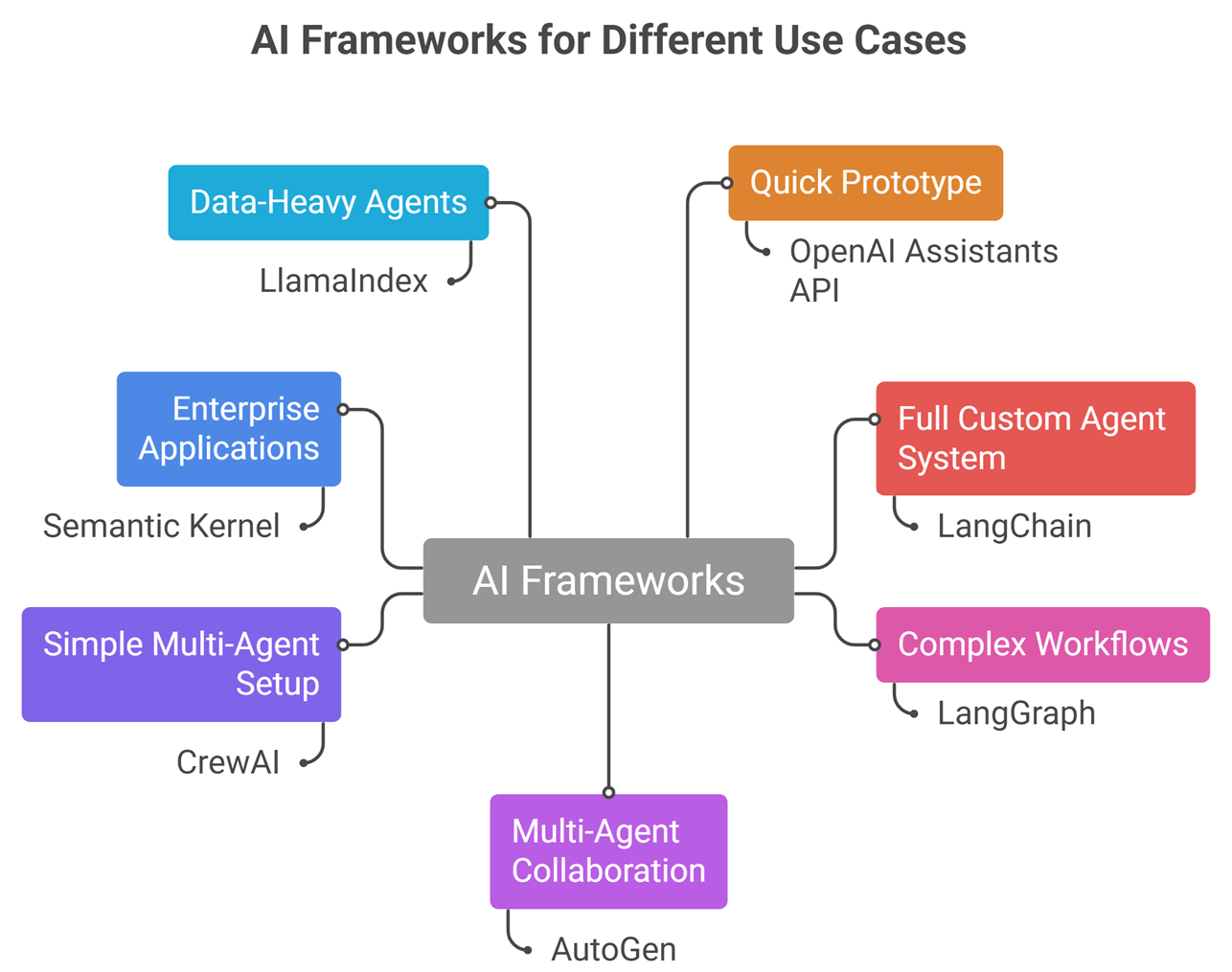
When to use which framework
| Use case | Best framework |
| Quick prototype | OpenAI Assistants API |
| Full custom agent system | LangChain |
| Complex workflows | LangGraph |
| Multi-agent collaboration | AutoGen |
| Simple multi-agent setup | CrewAI |
| Enterprise applications | Semantic Kernel |
| Data-heavy agents | LlamaIndex |
Real-world use cases
Developers are using these frameworks to build:
- AI copilots for internal tools
- automated research agents
- customer support assistants
- workflow automation systems
- coding assistants
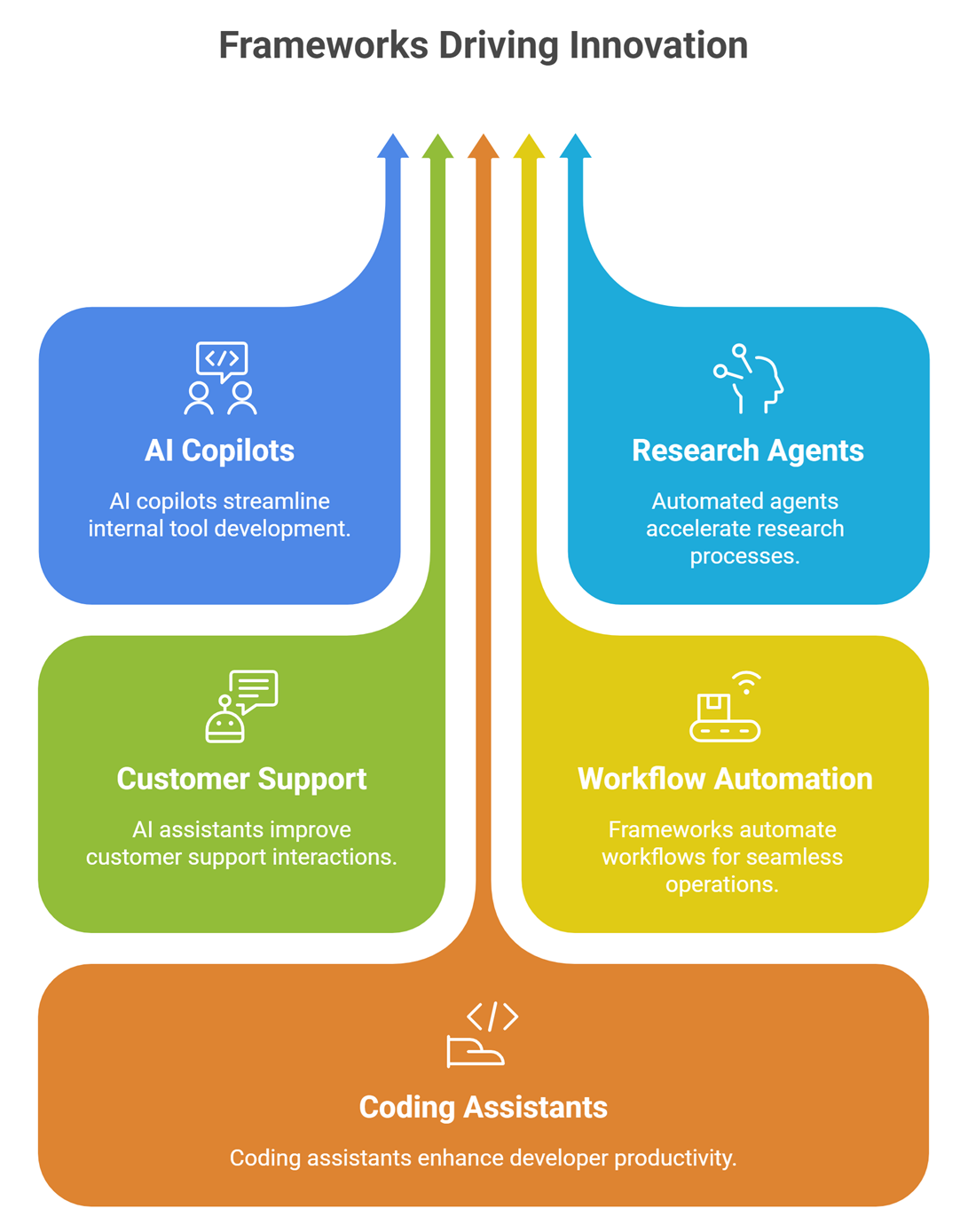
The shift is clear: AI is moving from “responding” to “acting.”
Common mistakes developers make
- Choosing a framework based on hype, not use case
- Overengineering simple workflows
- Ignoring evaluation and monitoring
- Mixing too many frameworks early
- Not designing proper tool interfaces
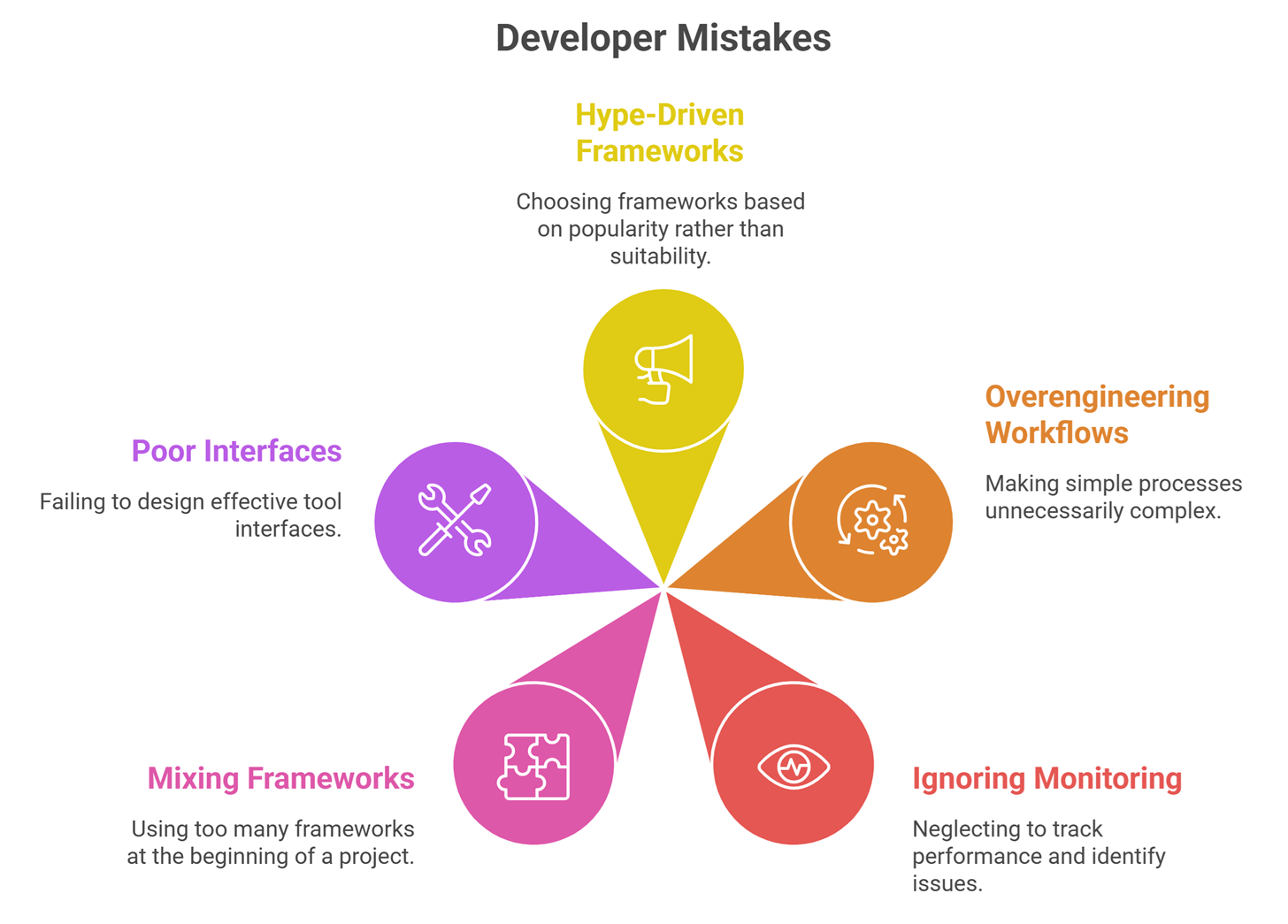
Many top-ranking blogs list frameworks, but very few highlight these practical pitfalls.
Suggested Read:
- What Is an AI Agent? A Simple Explanation With Examples
- AI Agent Architecture Explained Simply
- AI Agents vs Chatbots: Key Differences Explained
- MCP Explained: Why It Matters for AI Agents
- What Is RAG in AI? A Beginner-Friendly Guide
- Best AI Tools for Developers in 2026
FAQ: Best AI Agent Frameworks
What is the best AI agent framework in 2026?
LangChain remains the most flexible and widely used, but the best choice depends on your use case.
Which framework is best for beginners?
CrewAI or OpenAI Assistants API are easier starting points.
Are AI agent frameworks production-ready?
Yes, but stability depends on architecture, not just framework choice.
Do I need multiple frameworks?
Not always. Many systems combine two: one for orchestration and one for data.
Final takeaway
The best AI agent frameworks are not interchangeable. LangChain gives flexibility, LangGraph adds structure, AutoGen enables collaboration, and tools like LlamaIndex handle data. The smartest approach is to choose based on your system design, not the trend. Start simple, validate your workflow, and then scale your agent architecture.